Is rocking back and forth really unhealthy? Why children need exercise to learn | VS

Last search queries

Is rocking back and forth really unhealthy? Why children need exercise to learn | VS

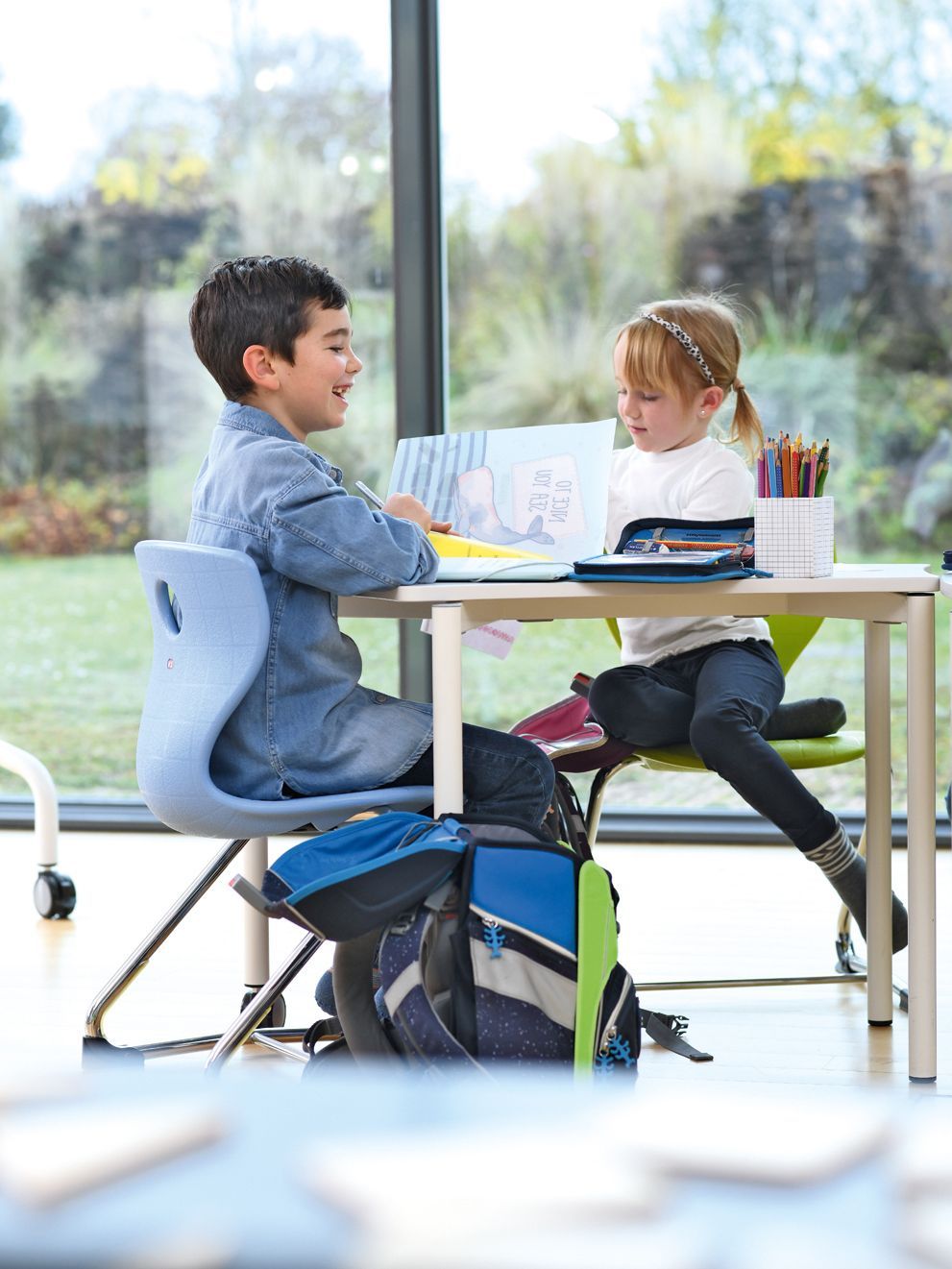
Two children sit together at the table on PantoSwing students' chairs by VS and draw pictures.

Is rocking back and forth really that bad for you?

Many adults remember hearing the phrase “Stop fidgeting!” during their school days. But what if this seemingly restless behavior is actually a natural part of healthy learning? Movement scientist Dr. Dieter Breithecker explains why children need movement to think—and why sitting still is often more of a problem than a solution.
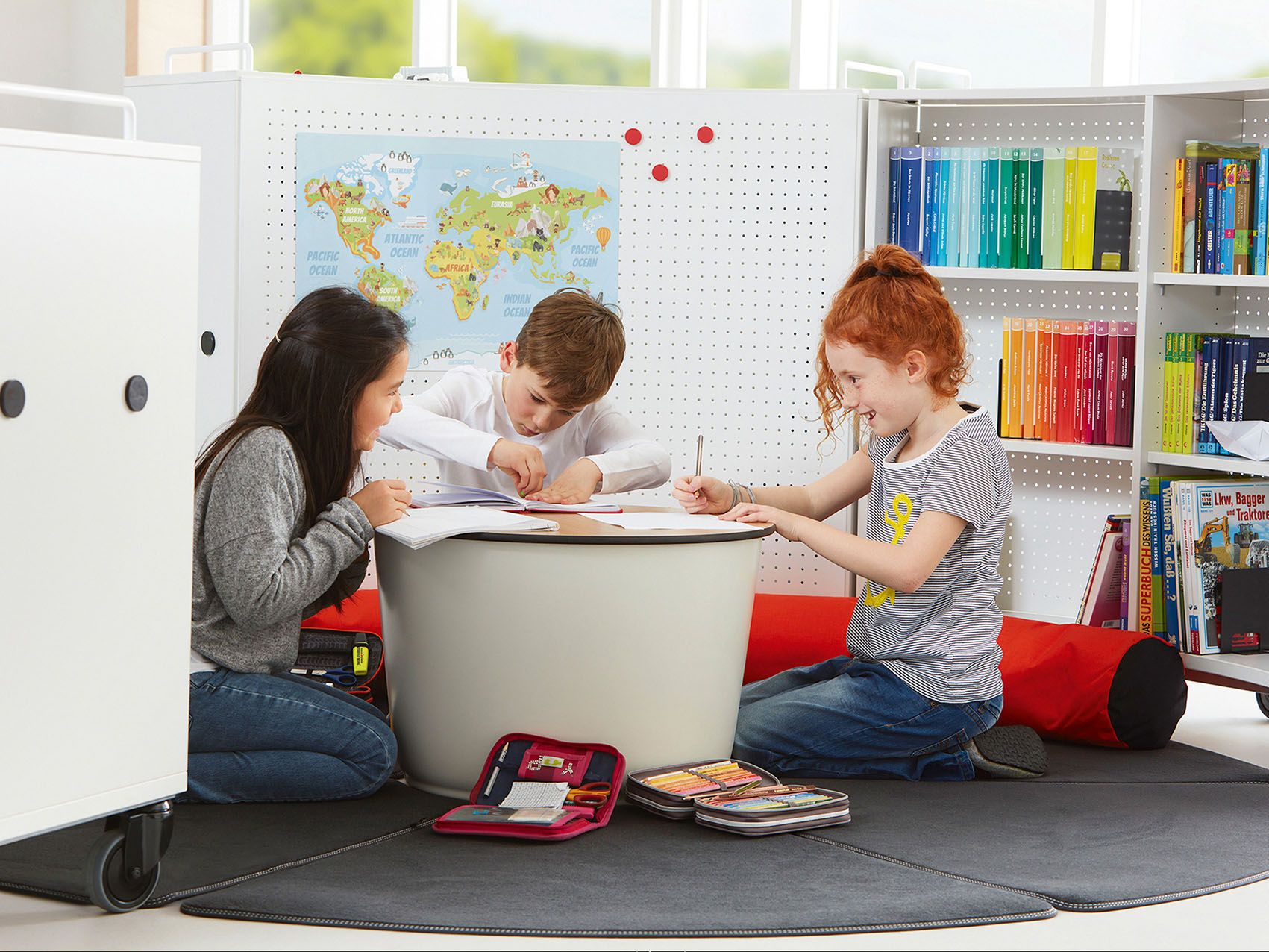
Sometimes, just one glance into a “moving” learning space (moving body, mind, and emotions) is enough to make an entire generation of adults nervous: there is a child lying face down on the carpet, nose almost touching the pages of a book. Another is balancing on a stool, half kneeling, while drawing eagerly. Yet another is rocking on a chair, tablet on their thighs. For those of us who grew up with the admonition “Sit up straight!”, this initially seems like an ergonomic nightmare. But what if this apparent diversity of postures is an expression of a physically and mentally healthy learning culture?

Movement: the natural language of the body

Children learn through play and movement. This is not only a finding shared among experts, but a neurophysiological fact. The growing child's organism – biological systems mature and develop in the way they are used – is programmed for constant posture changes and movement. Every muscle, every joint, the nervous system, and even attention benefit from dynamic behavior. Traditional rows of chairs and tables, on the other hand, encourage passive behavior and contradict the basic biological law that requires regular (!) changes of position and movement.

"For children, sitting still means   that developmental processes are slowed down and a significant part of their learning and developmental energy is suppressed."

Dr. Dieter Breithecker

When children engage with a topic in different positions, they activate not only their motor system but also their brain. Movement stimulates blood circulation and oxygen supply, stimulates the body's sensory system, activates important neurotrophic messengers (proteins for nerve cell growth and networking), and supports the anchoring of information in long-term memory. This makes learning processes more sustainable because they are linked to physical experience.

Contemporary ergonomics: diversity instead of rules

For a long time, classic ergonomics was geared towards adult workplaces: everything in a straight line, fixed angles, the “right” seat height, the “correct” table position. But children are not just small adults. Modern ergonomics in a school context does not mean standardizing an ideal posture, but rather enabling a variety of positions and movements.

The goal of modern learning spaces is not to remain in an ergonomically perfect position, but to constantly change between different postures and movements within the space. A good learning space offers a variety of behavioral options: standing, sitting, kneeling, lying down, balancing, rocking. Ergonomics thus becomes a stage for spontaneous, self-organized, and self-regulated movement—the best place for individualized learning behavior.

The evolutionary legacy: children intuitively do everything right

A vivid example: a boy in third grade sits on a movable stool, unconsciously tilting slightly forward and backward while concentrating on a text. His teacher intervenes: “Please sit still,” but he replies, “Then I can't think.”

He is right. The rhythmic alternation of intuitive micro and macro movements of the body supports his mental activity. Or to put it more pointedly:

The brain needs food in the form of oxygen to think, which is why it urges the body to move.

Today, we know that a specific protein in the myokine group supports higher neurocognitive performance. Children therefore intuitively sense what is important for them.

Another girl has retreated to a hammock with a book. The position looks anything but “healthy for her back,” but she reads intently for minutes on end. Her posture is ideal for this moment: self-chosen, comfortable, relieving. This shows how children respond to their own body signals in a differentiated manner according to their needs when they are given the freedom to do so.

Furniture as a motivator for movement

Many schools are now creating spaces that respond to such movement needs. Flexibly movable furniture, standing tables, platforms, stools, chairs with a rocking function, or vertical work surfaces create conditions under which children can intuitively change their behavior patterns.

What is important is not so much the individual piece of furniture as the systemic whole, which encourages children to help shape their learning environment themselves as needed. A chair with a dynamic seat that moves in a controlled three-dimensional manner is not a risk, but an invitation to sit dynamically. A carpet with floor cushions does not replace a classroom, but it expands the learning landscape.

In this way, physical activity is understood as a natural part of learning. At the same time, the image of “correct” behavior is changing: sitting still and obedience are no longer the focus, but rather curiosity, activity, and cooperation. Movement-friendly furniture is therefore not an aesthetic question, but an educational necessity. Learning spaces thus become lively places where movement, play, and interaction form the basis for sustainable learning.

The attitude of adults is crucial: do we trust that movement will help children achieve greater concentration and well-being—or do we continue to force them into forms that contradict their developmental physiological needs?

Three children on seat mats are painting on the VS table Gugl

Adults need to rethink their approach

The image of “sitting up straight” is deeply rooted in our culture. It stands for discipline, order, and performance. But children do not need posture rules; they need freedom of movement. When adults learn to understand apparent disorder as an expression of lively self-regulation, they can learn a lot about healthy physical and mental development and successful learning processes.

Children show us every day that learning is a whole-body process. Those who are allowed to move think more alertly, feel more comfortable, and stay focused longer. Especially in all-day schools, where children spend many hours in institutional spaces, movement is not a luxury but a basic requirement for health and motivation.

Conclusion: “Restless, but healthy and smart”

Healthy physical and mental development in childhood does not come from maintaining an ideal sitting posture. Every new position is a training stimulus for muscles, joints, bones, and the brain. The body and mind want to be challenged, not fixed in place. So the next time we see a child fidgeting or sliding back and forth in their chair, we should ask ourselves: Is this really wrong—or perhaps just right?

Ergonomics in the 21st century does not mean restricting movement, but rather encouraging it through spatial-ergonomic conditions and educational organizational forms. After all, those who move learn more vividly, think more clearly, and stay healthier—a basic principle that may make us adults feel a little humble.

You may also be interested in

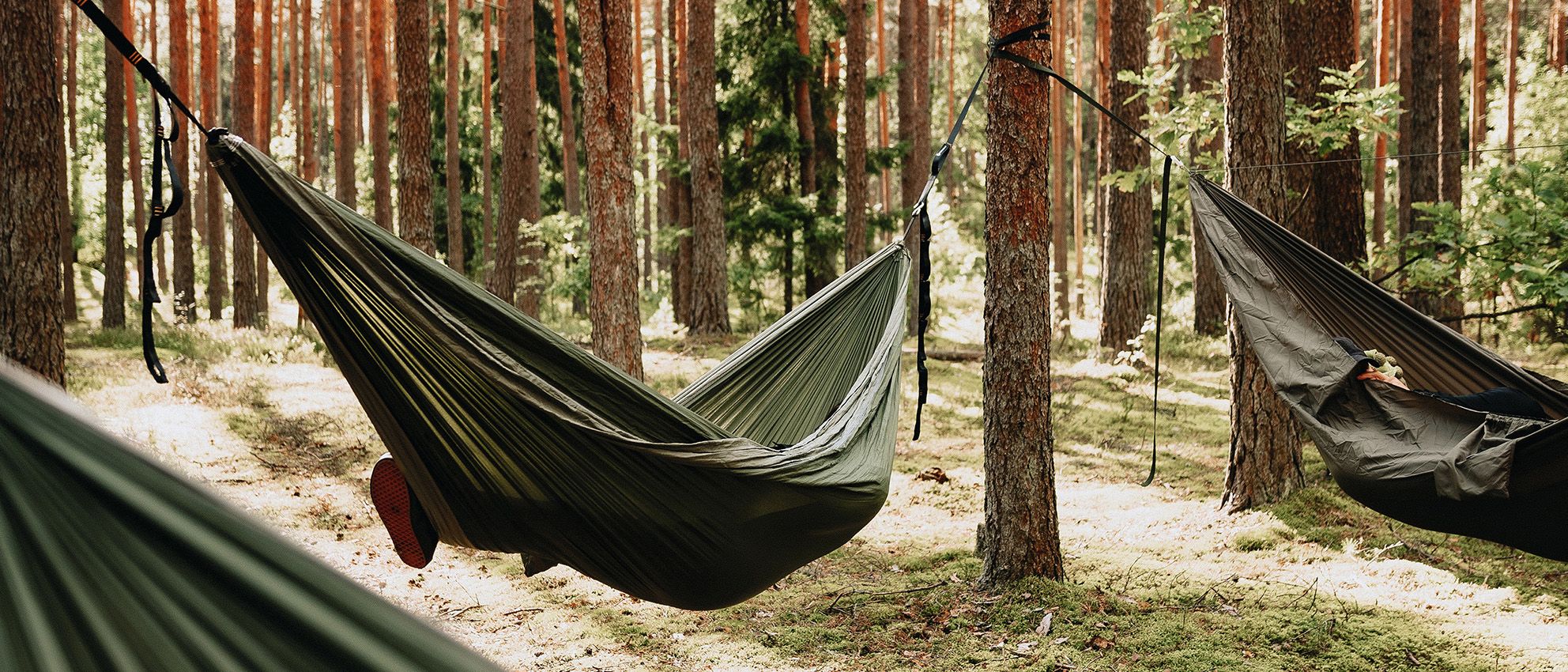
Several hammocks hanging between trees in a forest

If sitting for too long is harmful, is it better to work lying down?

Knowledge Corner
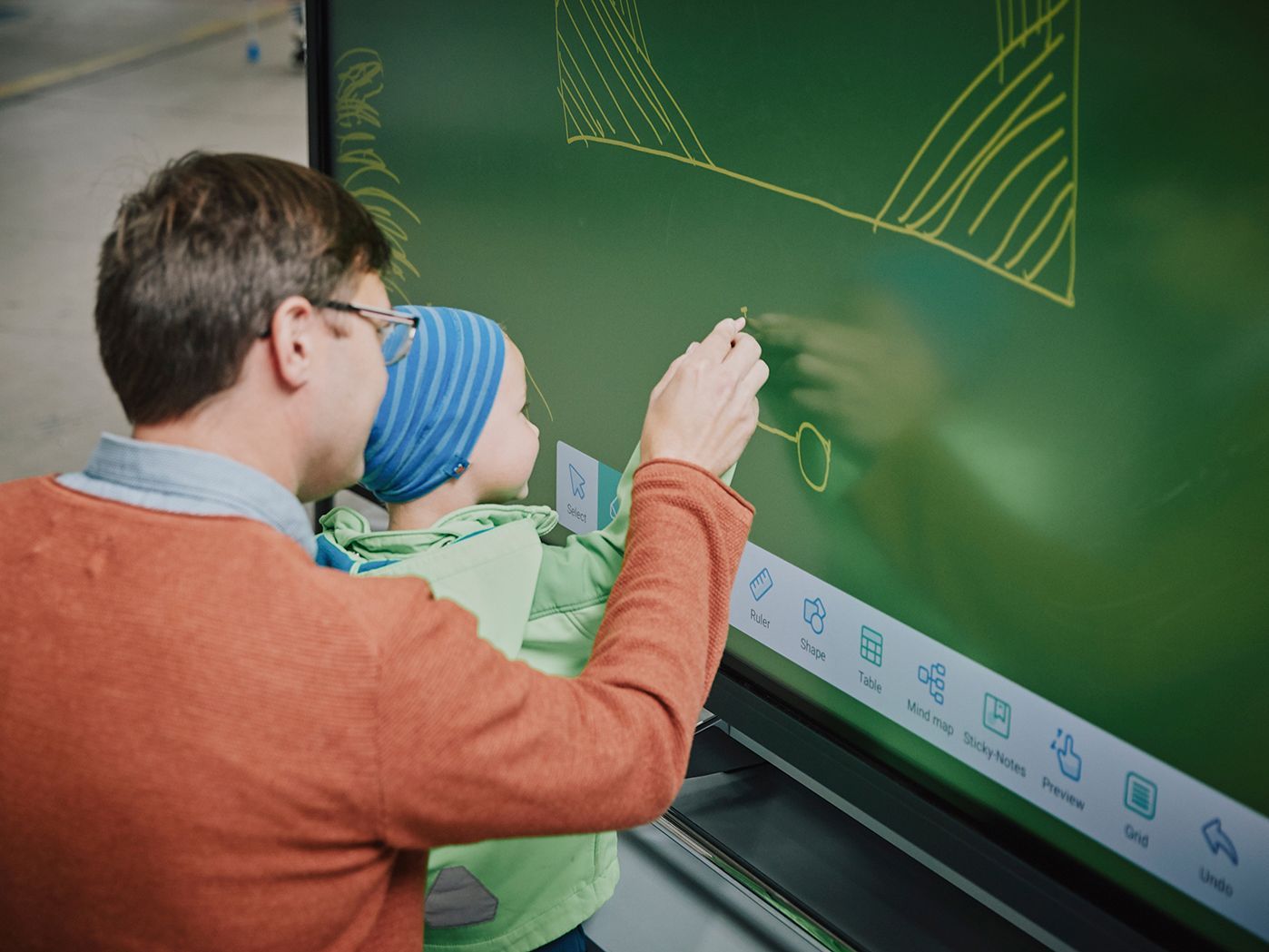
A father draws with his child on an interactive display by VS

Digital learning – where are the giant leaps?

New technology demands new methods, says Jörn Muuß-Merholz. The media expert shows how innovative learning could be – and why schools have problems with it. 

Knowledge Corner
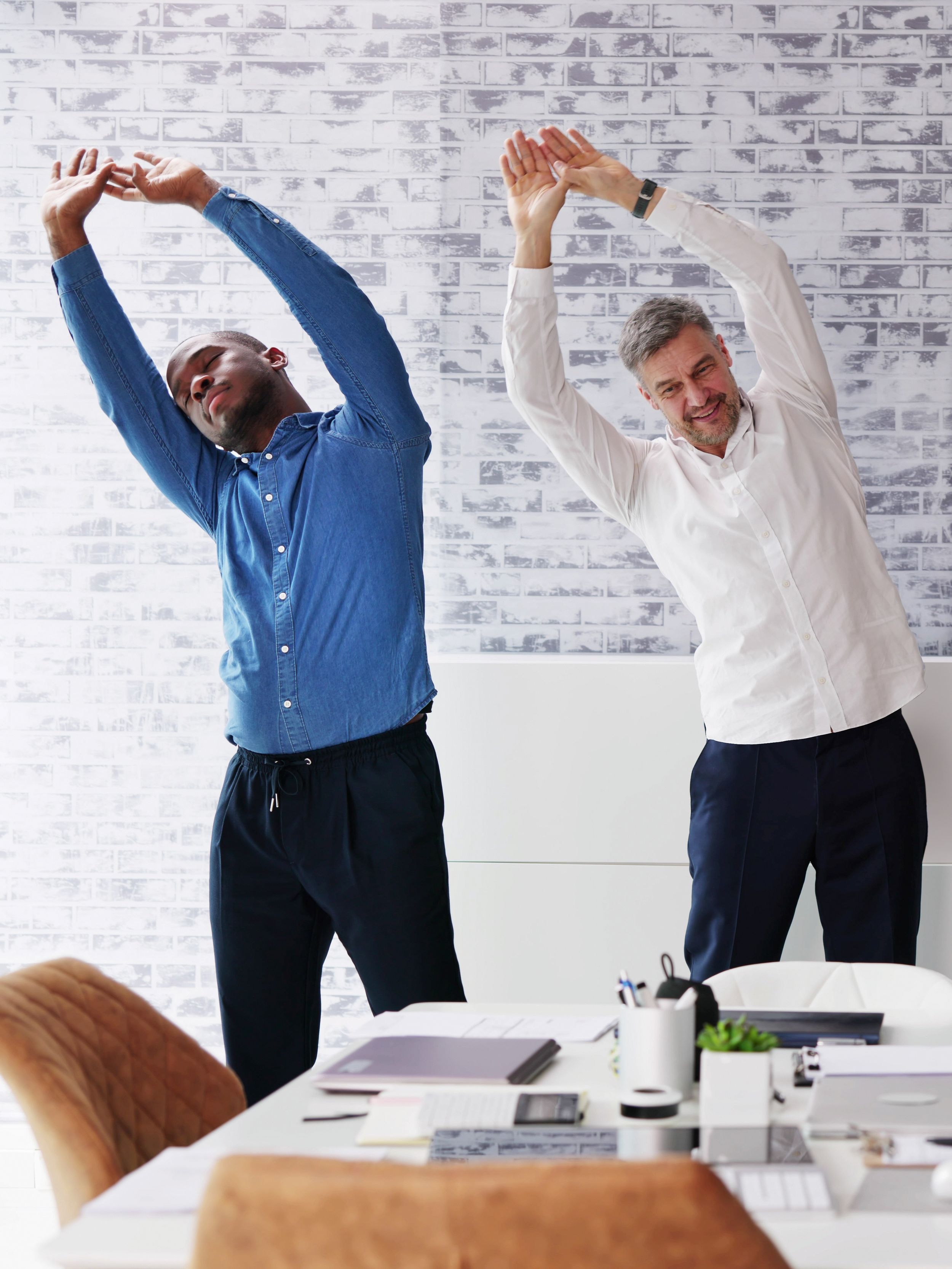
Three people stretch during sports exercises for employees

Everybody stand, please …

… and ensure more moving moments in the office. Find the best tips against too much sitting here.

Spread the word – arouse interest

Share this page and arouse interest in others.