Number of the month 4
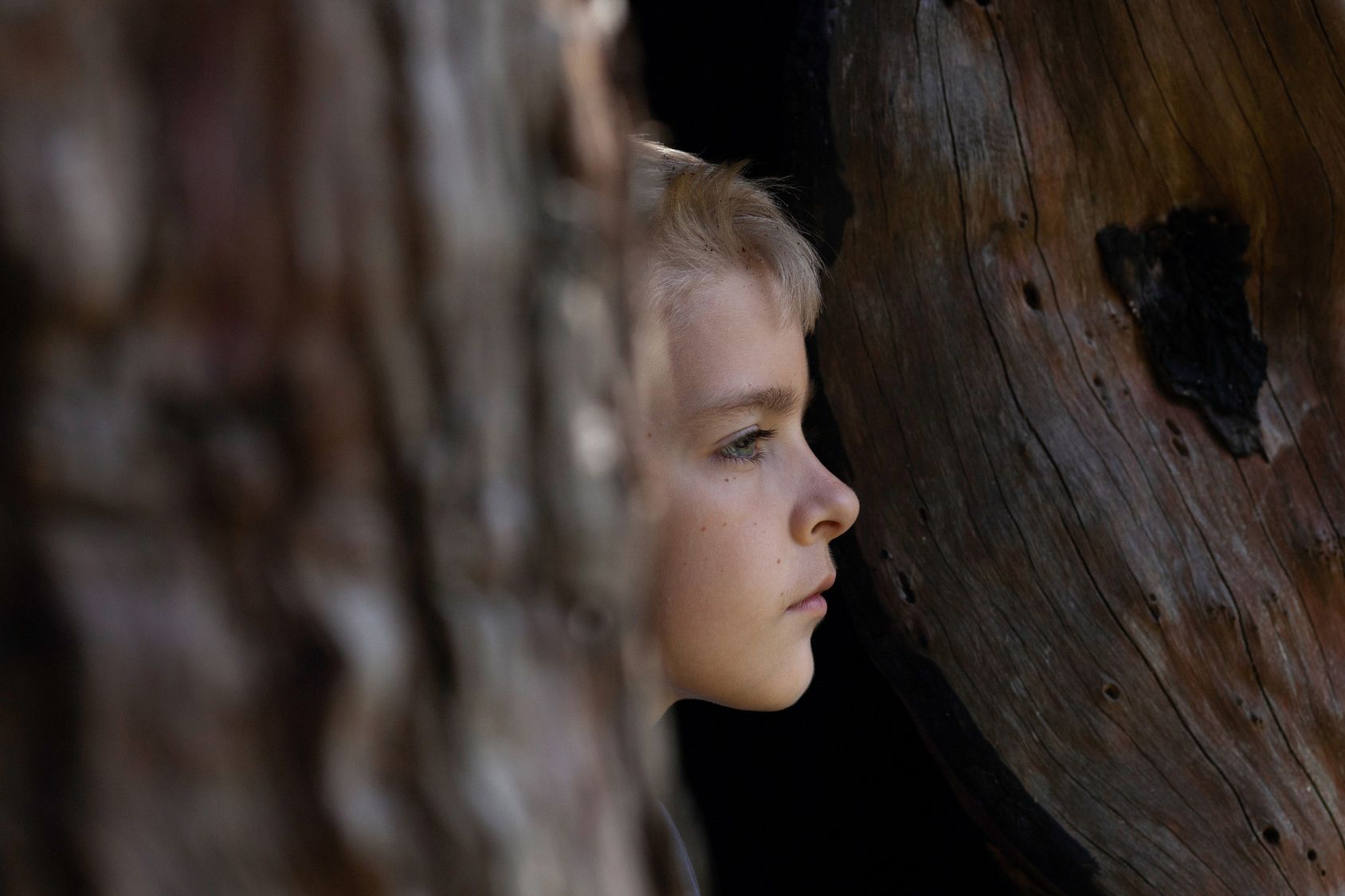
A single click triggers express delivery, a swipe starts the next streaming episode, and generative AI systems answer the most complex questions within milliseconds. What used to involve waiting times is now made available instantly. Any delay is regarded as a technological flaw.
Why is it that, of all times, we take the act of waiting so much for granted during Advent? And what does psychology tell us about the value of the time that lies between a wish and its fulfilment?

The psychology of anticipation: when the wait itself becomes an experience
Birthdays, holidays, getting together with friends or Christmas: we often feel a sense of anticipation ahead of positive events. The key point here is that anticipation can motivate us to work towards a desired event and invest energy in making it happen.
Christmas does not lose its magic because presents are handed out late; rather, that magic grows with every conscious day of waiting. Waiting is therefore not a standstill. On the contrary: we imagine things. We count down the days. We make plans. We look forward to it.
Advent as a source of inspiration for everyday school life
This is precisely where the concept of education becomes interesting.
Learning does not always have to produce immediate results. Not every question needs an immediate answer. Not every idea has to lead to a finished result within a few minutes. Sometimes a thought needs time.
Perhaps we do not need to constantly teach children and young people to act even faster or to complete tasks in record time. Rather, we need to redesign learning spaces: oases that allow children to be allowed to pause and reflect.
Time for an idea to unfold gradually. Time for a discussion that isn’t geared towards efficiency. Time for deliberate breaks that ensure mental regeneration. Time to explore things on one’s own terms and at one’s own pace.
Anyone who makes room for waiting again realises that this is where the most valuable learning processes begin.
Hier schließt sich der Kreis zu einer zukunftsorientierten Architektur von Lern- und Lebenswelten: Gute Räume für Bildung zwingen nicht zum beschleunigten Input, sondern geben dem Geist den Freiraum, den er für nachhaltige Verknüpfungen braucht.
Vielleicht liegt das wahre Geheimnis des Advents folglich gar nicht in der glitzernden Überraschung am 24. Dezember. Es liegt in den vier Wochen davor – in der Kunst des bewussten Innehaltens.
Source: Jule Bürgi: „Vorfreude ist die schönste Freude – oder?“, uniCross Universität Freiburg, 18.12.2023
Curiosity aroused? Here you can find more from the Thinking ahead section: