What is behind the 21 trillion?
At the beginning of 2025, the education ministers of Rhineland-Palatinate, Schleswig-Holstein and Baden-Württemberg formulated measurable education goals across party lines. By 2035
- the number of pupils failing to meet minimum standards in German and mathematics is to be halved,
- the proportion of those achieving or exceeding standard requirements is to increase by 20 per cent,
- and the proportion of top performers – i.e. those achieving optimal standards – is to grow by 30 per cent.
The ifo researchers have calculated the economic effects that these advances would have. They based their calculations on the life expectancy of a child born today, i.e. around 80 years. In the model, the working life lasts 40 years. The result: an increase of 20.9 trillion euros in gross domestic product.

Education as a driver of growth
In 2105, GDP would therefore be 41 per cent higher than without reform.

All federal states benefit
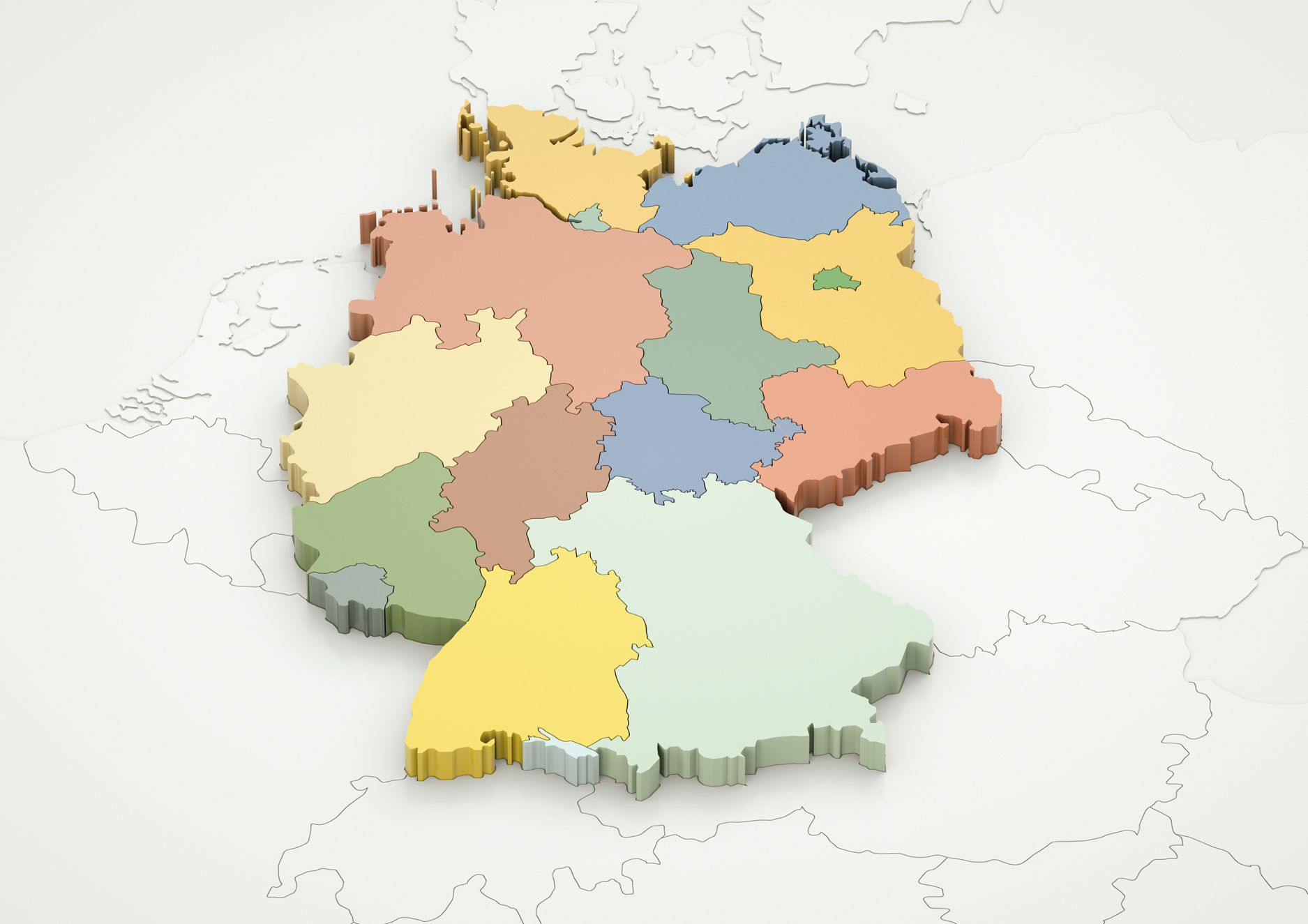
All states stand to gain, albeit to varying degrees. In absolute terms, the most populous states lead the way: North Rhine-Westphalia with 4.9 trillion euros, Baden-Württemberg with 3.0 trillion euros and Bavaria with 2.8 trillion euros.
In relative terms, the federal states where current pupil performance is lowest benefit particularly. In Bremen, the increase would be 7.6 times the current GDP, and in Berlin 6.4 times. Even in Bavaria, where pupil performance is already comparatively high, the gain would still be 3.5 times.
An investment that pays off
The study shows that education creates opportunities and prosperity. Every euro invested in better education today pays off many times over tomorrow in the form of higher productivity, greater innovation and sustainable growth.
Source:
Werkmeister, K. und Wößmann, L. (2025), Volkswirtschaftliche Erträge besserer Bildung – Projektionen aktueller Bildungsziele für Deutschland und die Bundesländer, ifo Schnelldienst digital 25/2025

Spread the word – arouse interest
Share this page and arouse interest in others.