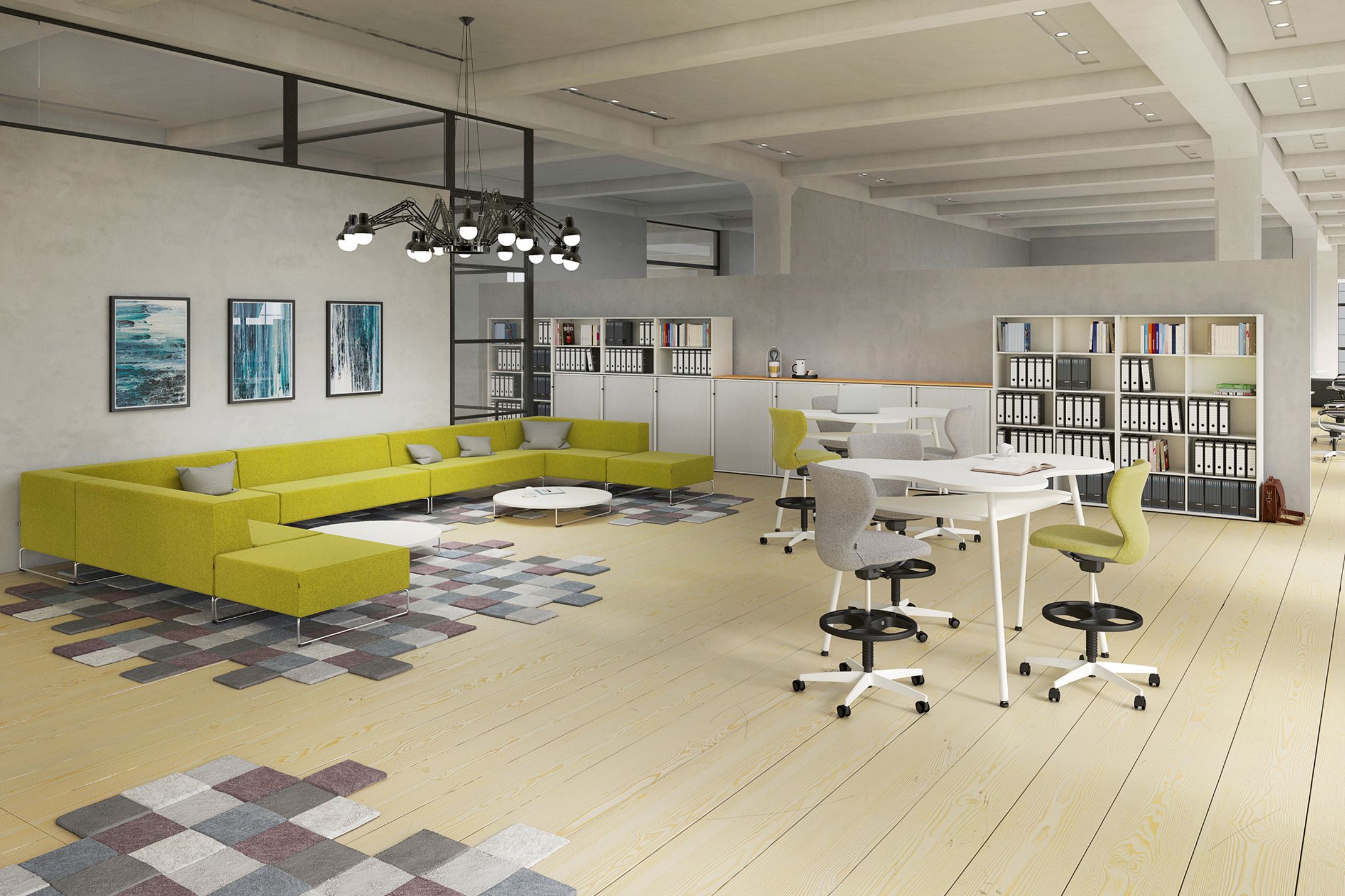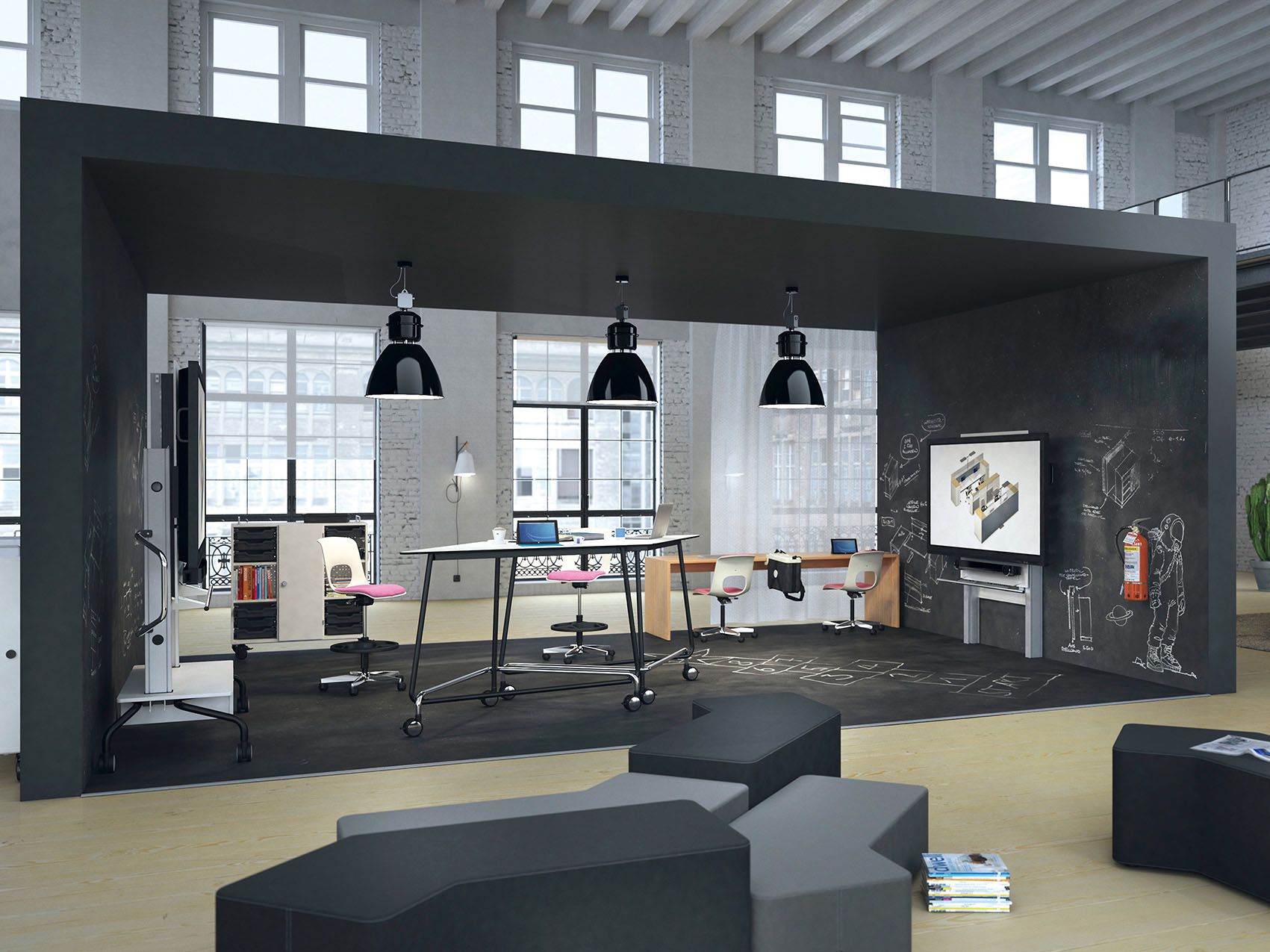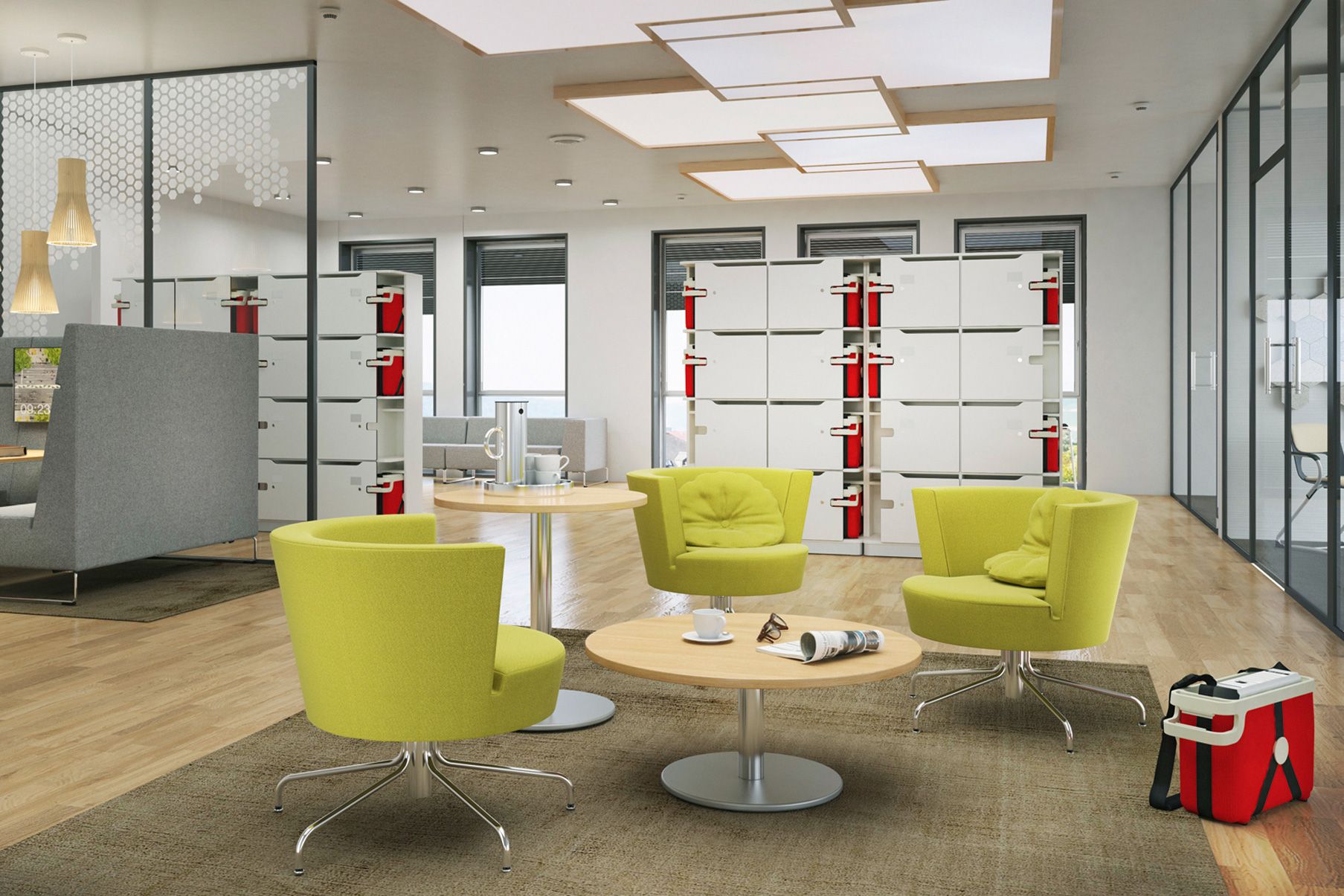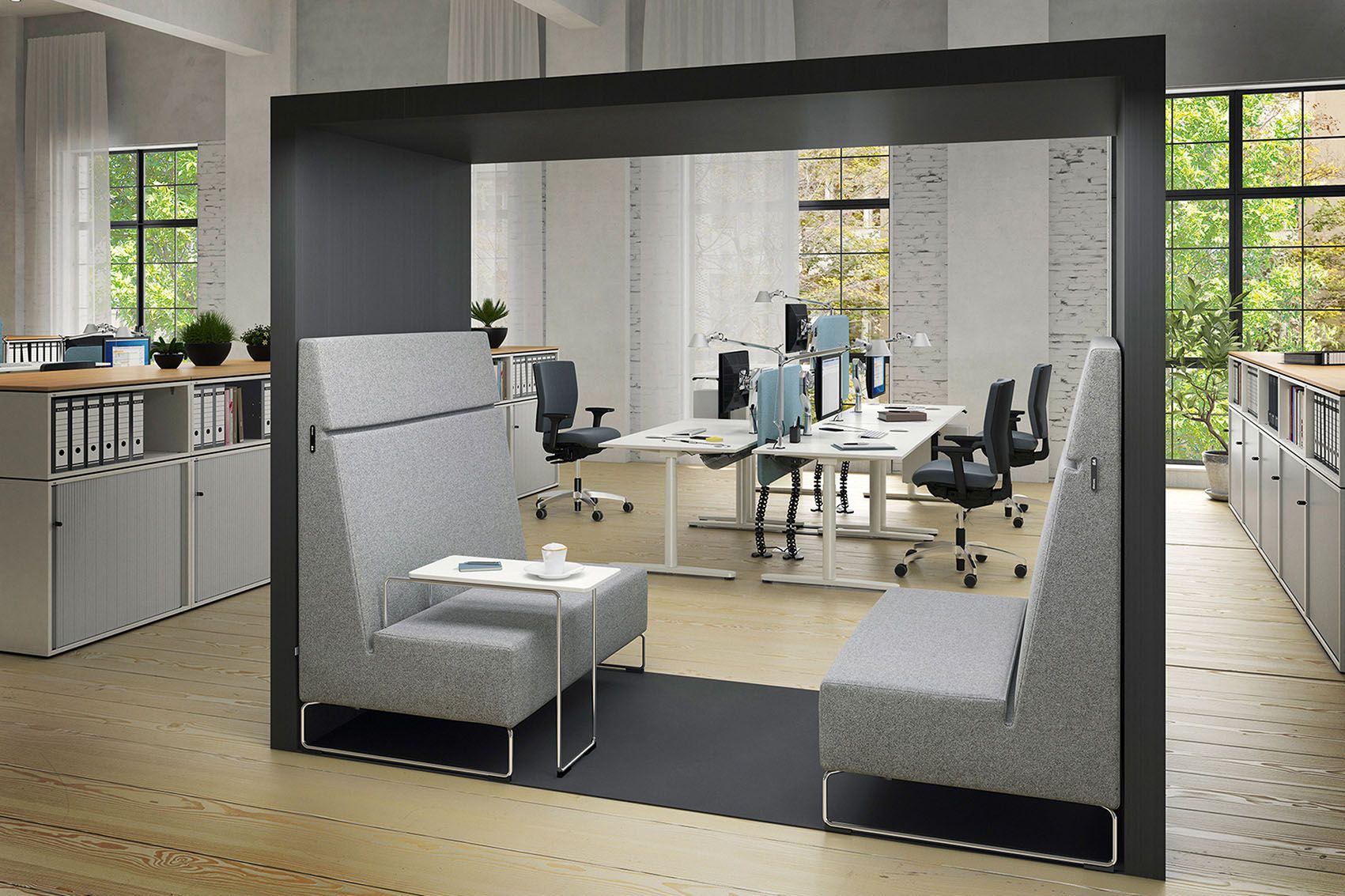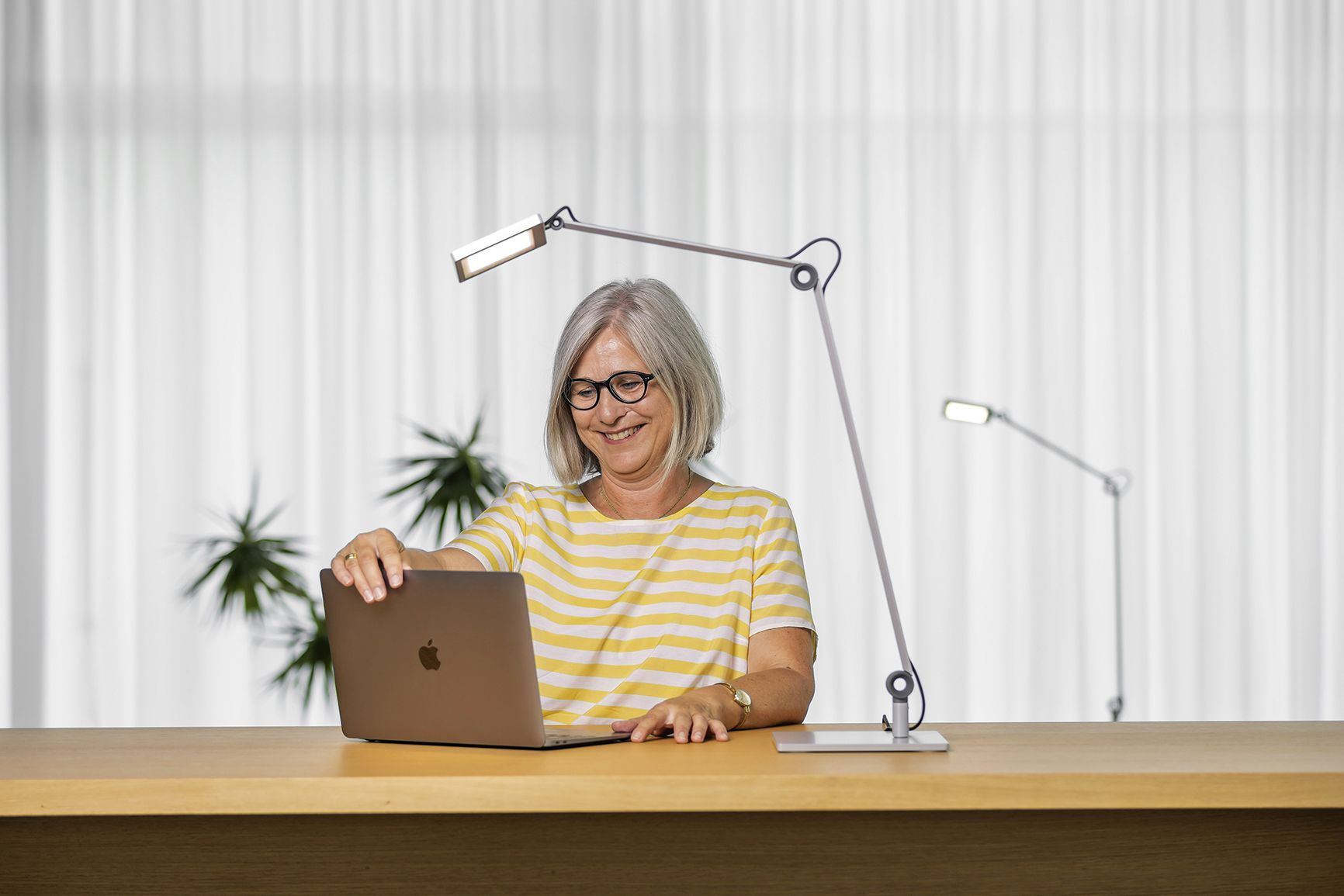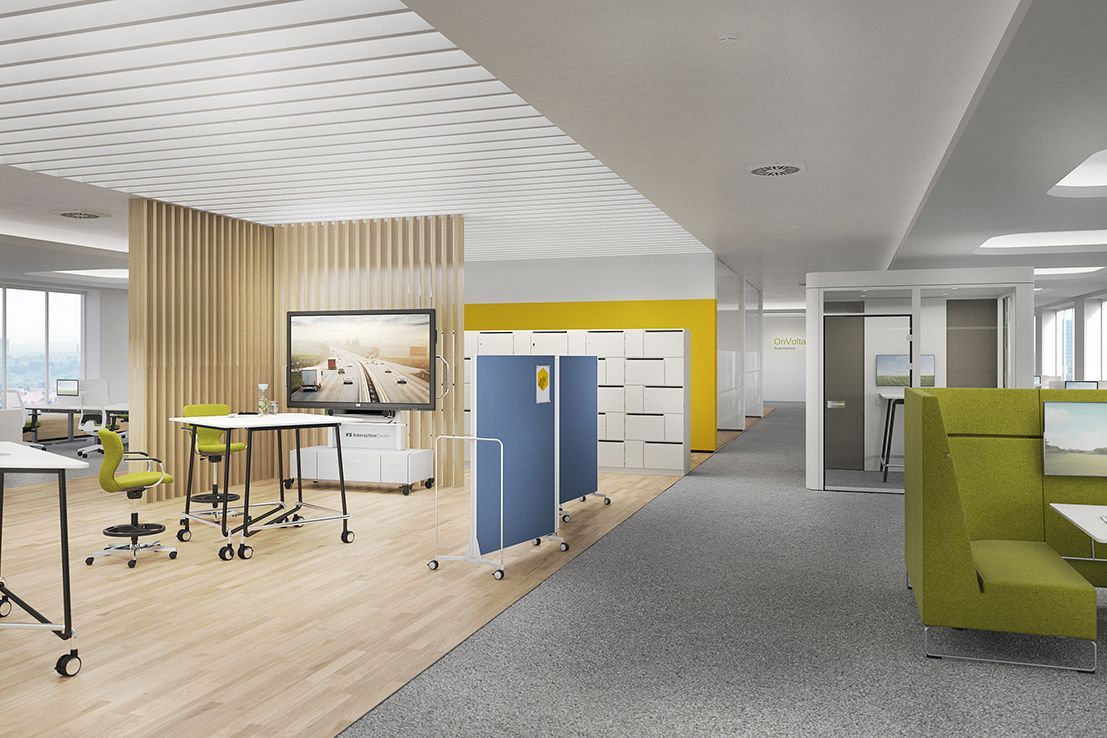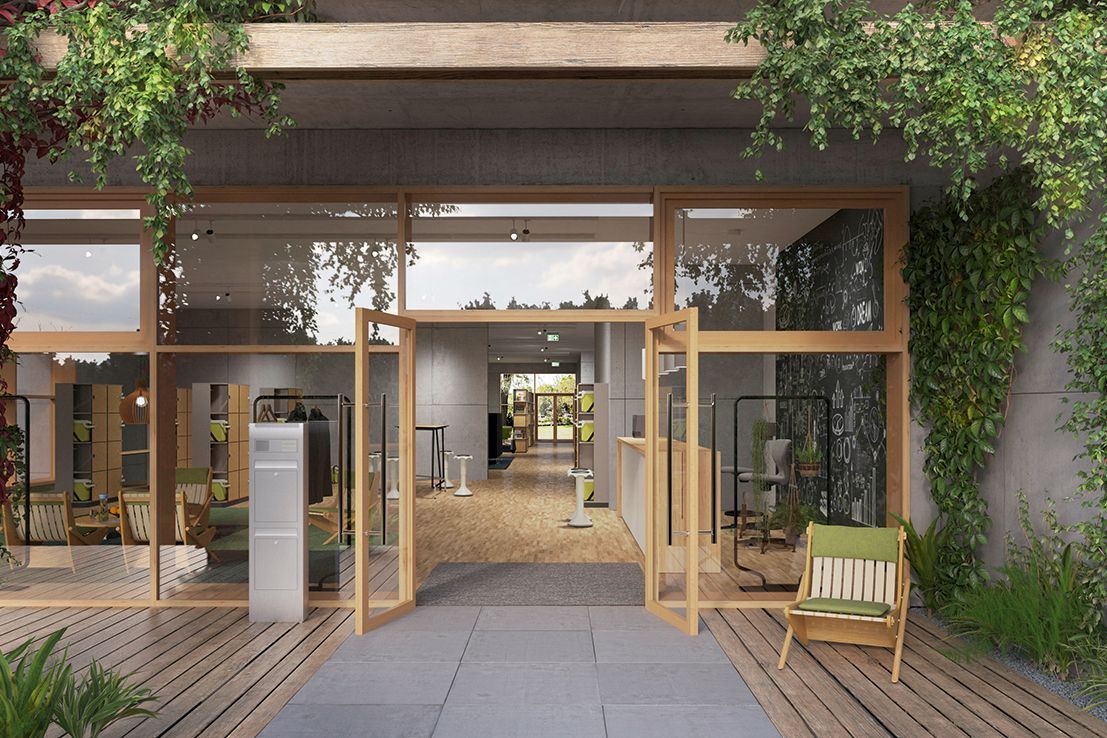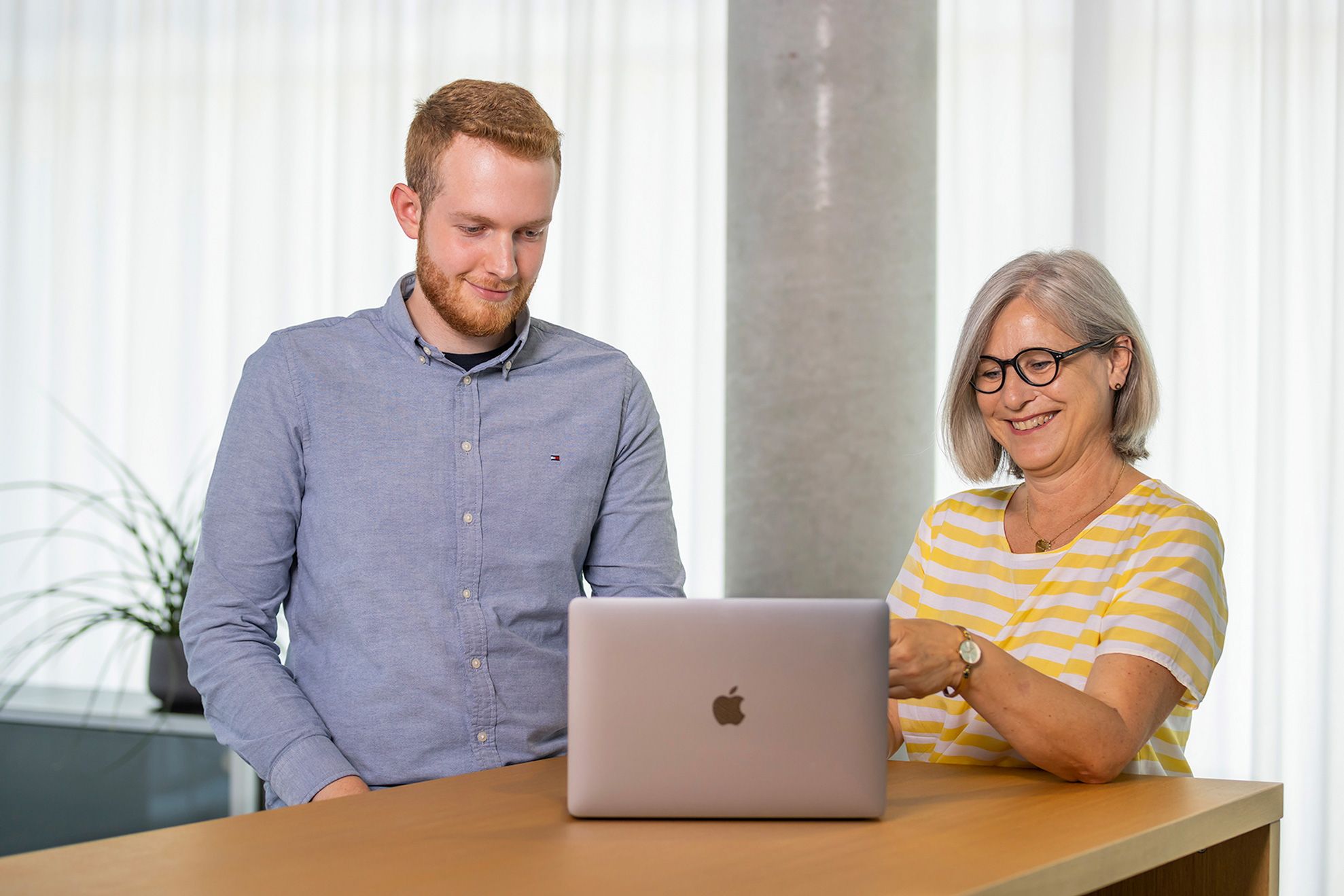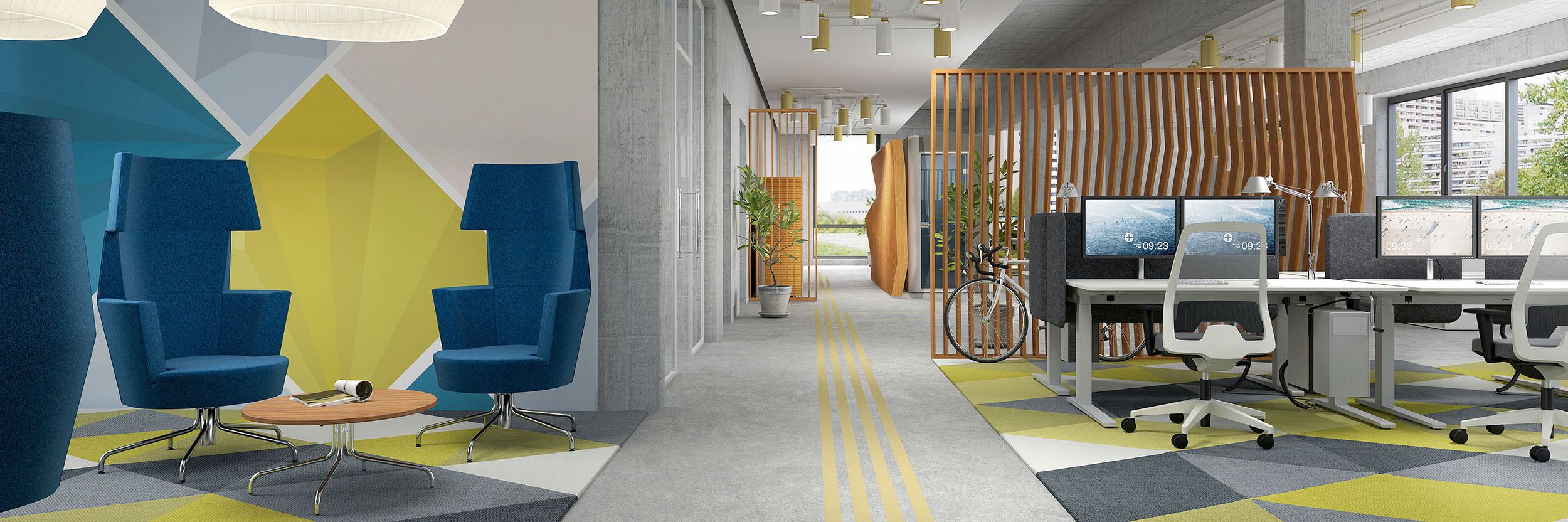
It only takes us a few seconds to decide whether we like a person or not. We also notice similarly quickly whether we feel comfortable in a room. We communicate with rooms unconsciously, directly, and lastingly.
“That is why rooms must advance to be places that take account of people’s needs and perceptibly activate our senses at all levels: flexibly, changeably, and multifunctionally. These are places where a feeling of belonging, and connection is developed and strengthened. For this to succeed, a room has to emotionally get ‘under our skin’,” says Jürgen Gaiser, interior designer and partner at blocher partners in Stuttgart.
In fact, successful room concepts demonstrably have a positive effect on our well-being when working. A positive ambiance can encourage concentration, inspire creativity, and make cooperation easier. It is not without reason that, in education, the room is considered to be the “third teacher”. According to this dictum from Loris Malaguzzi, the surroundings greatly influence children’s success in learning, their motivation, and their well-being as the third most influential force after fellow pupils and teachers. Being able to feel comfortable might initially sound like a first-world problem. But the opposite is the case: feeling comfortable is an essential requirement for successful learning and good work.

Only someone who feels comfortable is productive – increasing productivity with the right working atmosphere
For good reason, companies’ focus is turning to room skills. The number of standards concerning mandatory preventive health is rising. In return, the number of specialists is falling continuously, which makes it essential for companies to offer an attractive working environment. Not least, employees’ experiences of working from home are leading to greater demands of working rooms, which should be more homely, more atmospheric, stimulating and, at the same time, functional. Particularly in times of hybrid working, companies have to demonstrate the value added of the office in comparison to working from home. It should therefore offer the best possible surroundings for those things that don’t work remotely: maintaining real relationships, developing a tangible team spirit, experiencing creative encounters. Or to put it in the words of futurologists: the central design challenge is “Mood Management” of employees. Which means no less than allowing the office to be a place that puts them in the right mood for work better than any other.
“In future, a room will become a melting pot of people, their needs, diversity, and creativity. It will act as the heart of the company because the company spirit is lived out and further developed here, not just the product,” says Gaiser.

“A chair is more comfortable if you like the colour.”
Design legend Verner Panton working with VS on developing the PantoSwing.
What factors support our well-being at our workplace and help us to work optimally?

Then get in touch with us!
- Contact request Marketing
More articles from Knowledge Corner

Spread the word – arouse interest
Share this page and arouse interest in others.