How does Smart New Work work?
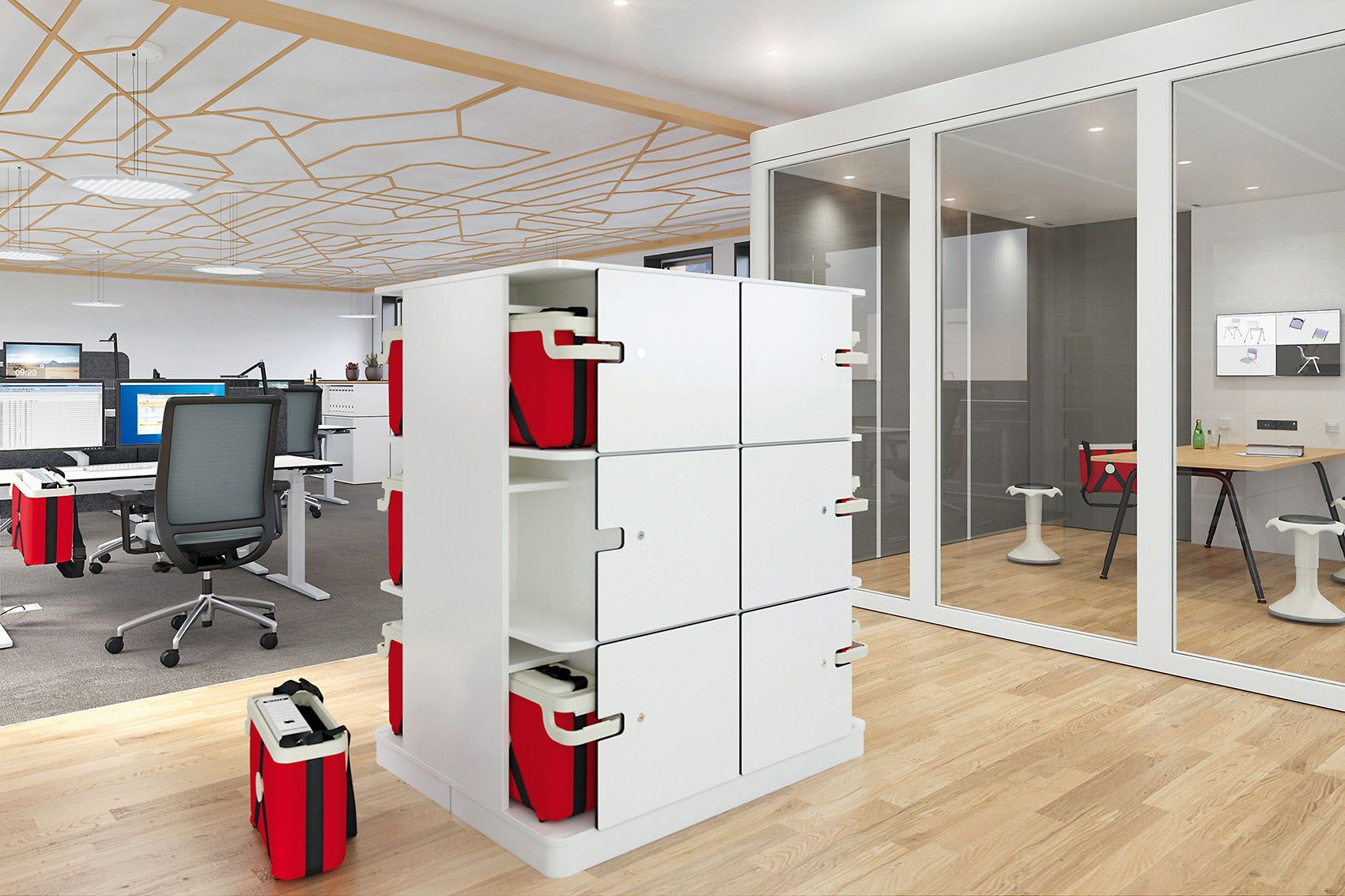
Organising New Work efficiently and successfully is presenting many challenges to companies. Smart Office technologies are doing a good job there. Seven reasons for a networked office.

How does Smart New Work work?
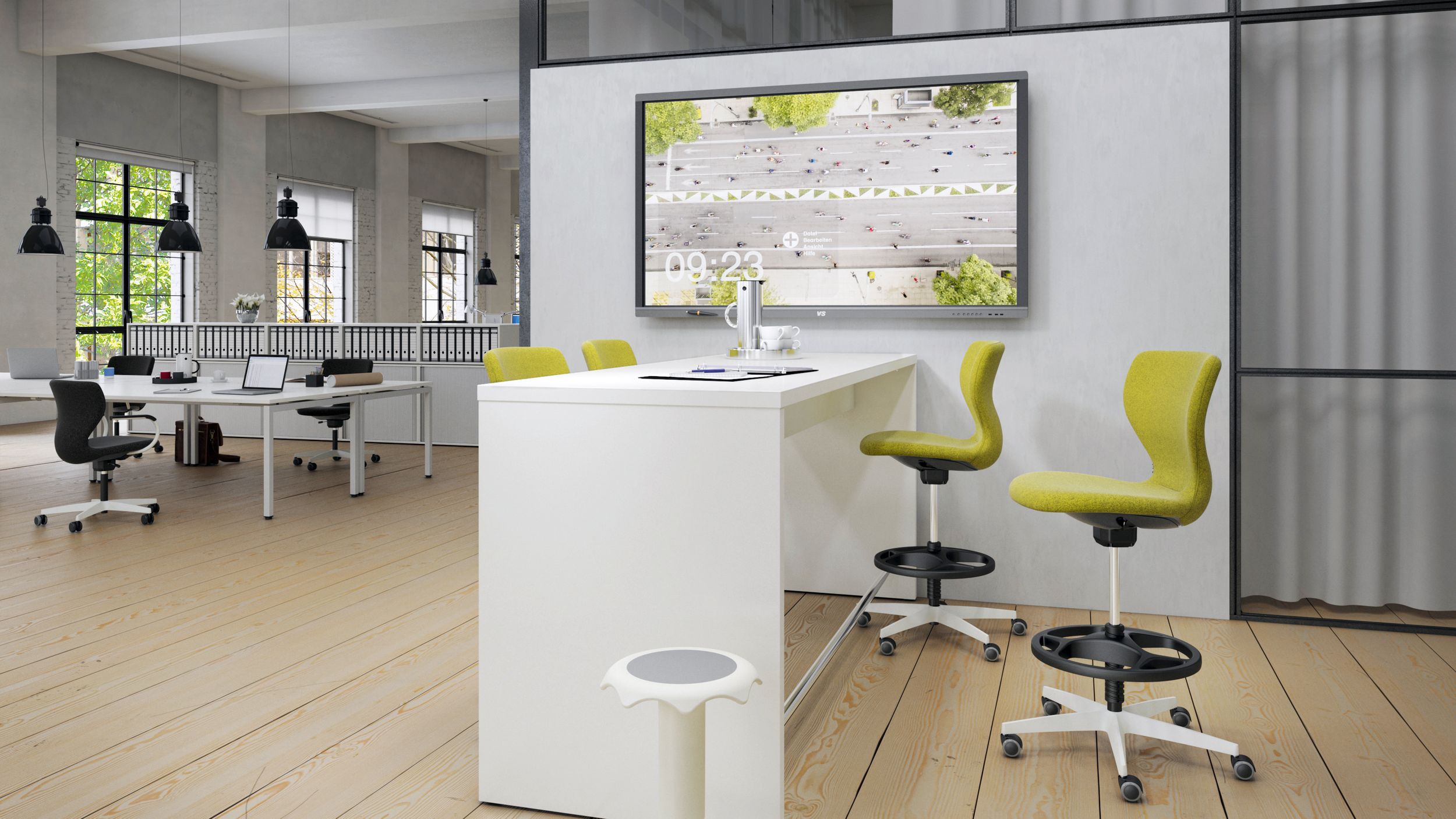
Digitisation is increasingly changing the understanding of work, forms of work and therefore also office design. “New Work” has long ceased to be a buzzword, and in many places has become part of everyday office life. Flexible working, fluid teams, desk sharing are making new demands of office and work organisation. The “Smart Office” creates the digital framework conditions for it. However, using software and apps, a well networked office implements far more than just the demands of efficiently functioning everyday working life Smart Office technologies also support self-determined and meaningful working and thus the personal demands that employees make of their working environment nowadays.

Flexible Working – The New Normal
Days per week that full-time employees work from home on average
Percent of unused office space before the pandemic
Percent of unused office space after the pandemic
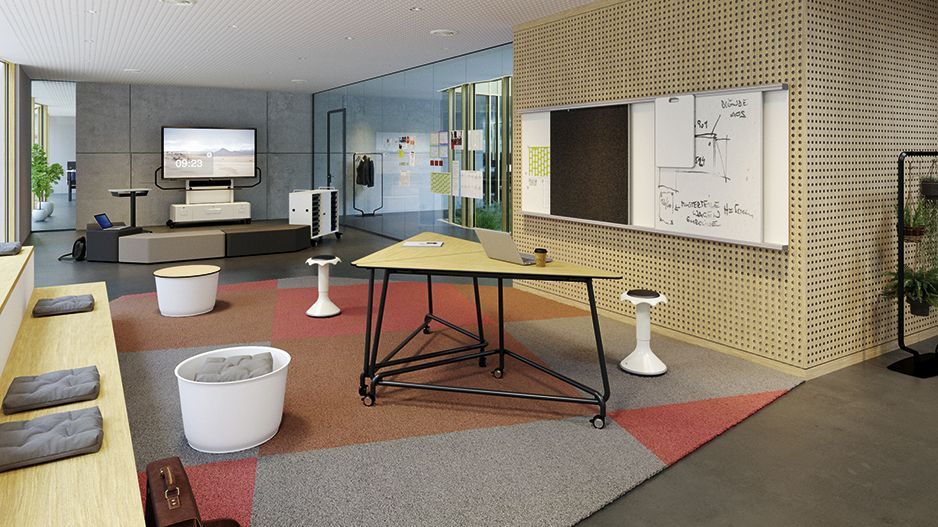
This mix of costs, organisation required and increased demands from employees provides good reasons for companies to revise their traditional working environments and forms. In the past, it was the building per se that was used to define how well people worked in an office. Now – accelerated by the pandemic and a shortage of skilled staff – the focus is on people. How do employees use their spaces? And how can optimally networked people, space and infrastructure achieve the best possible results in satisfied teams? Smart Office technologies provide convincing answers to this.
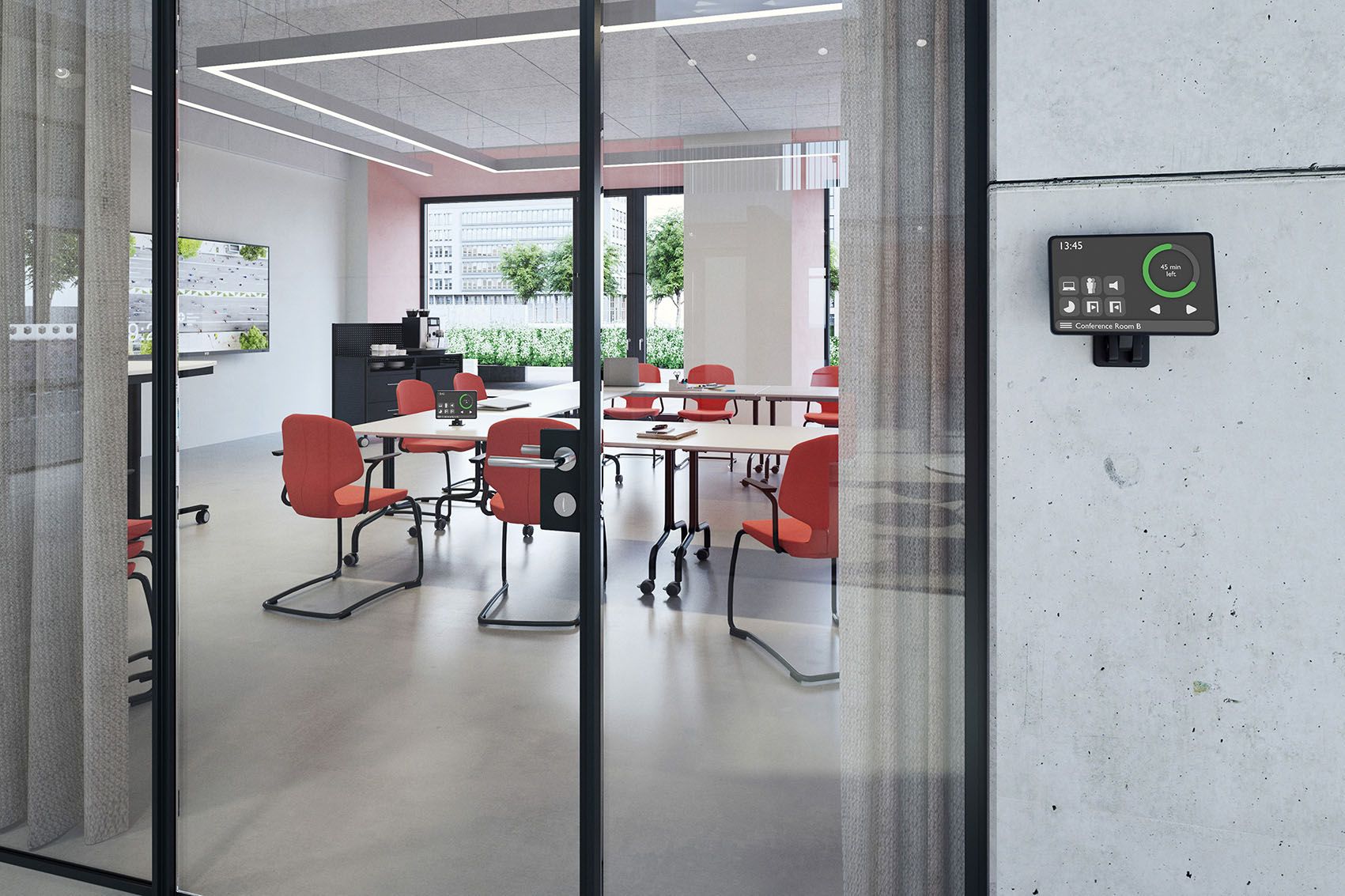
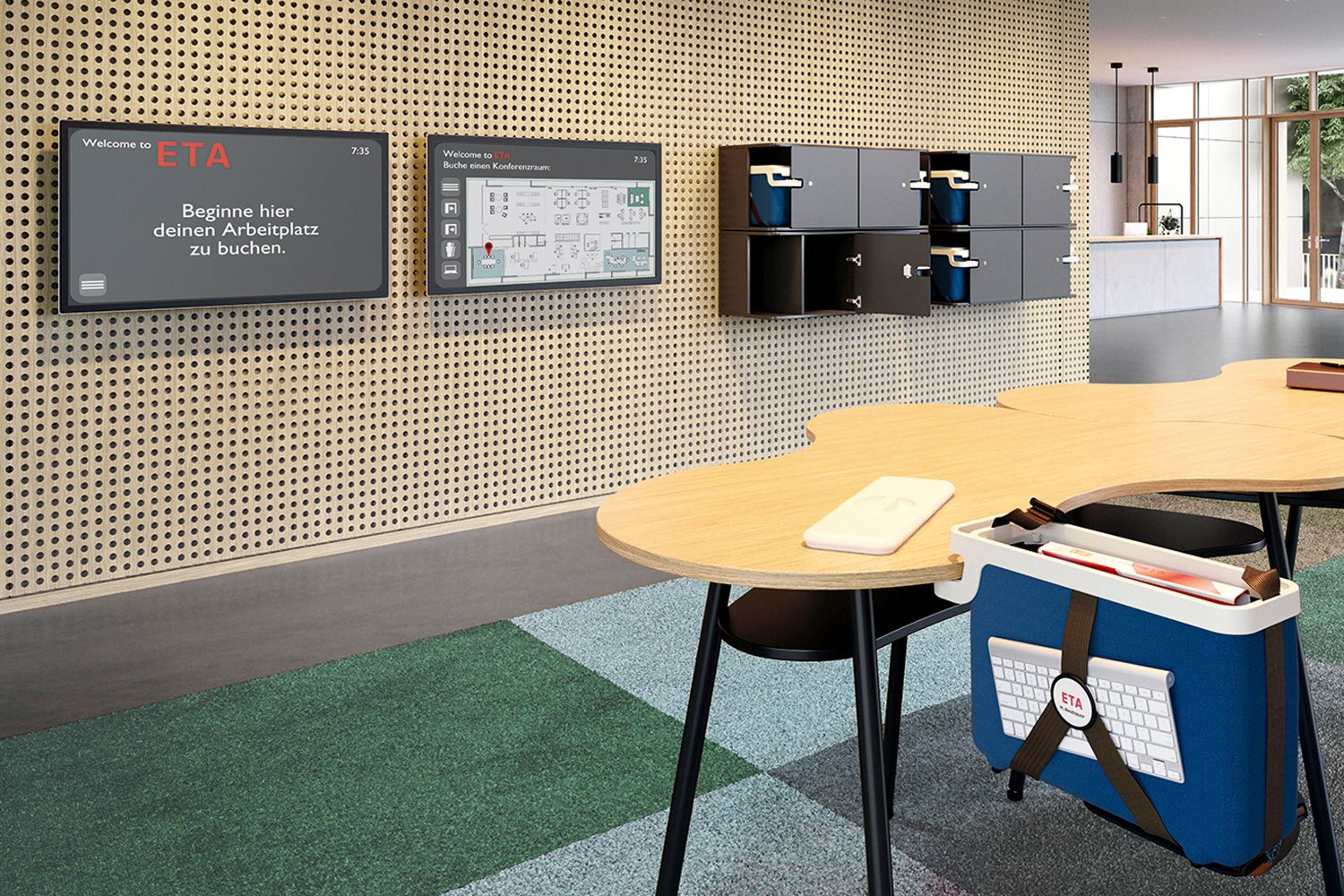
Smart Office technology automates many tasks that previously had to be done in consultation, manually or by the head office. Employees can act more independently in accordance with the requirements of their jobs. For example, this includes booking workstations or meeting rooms, coupled with individual catering orders.
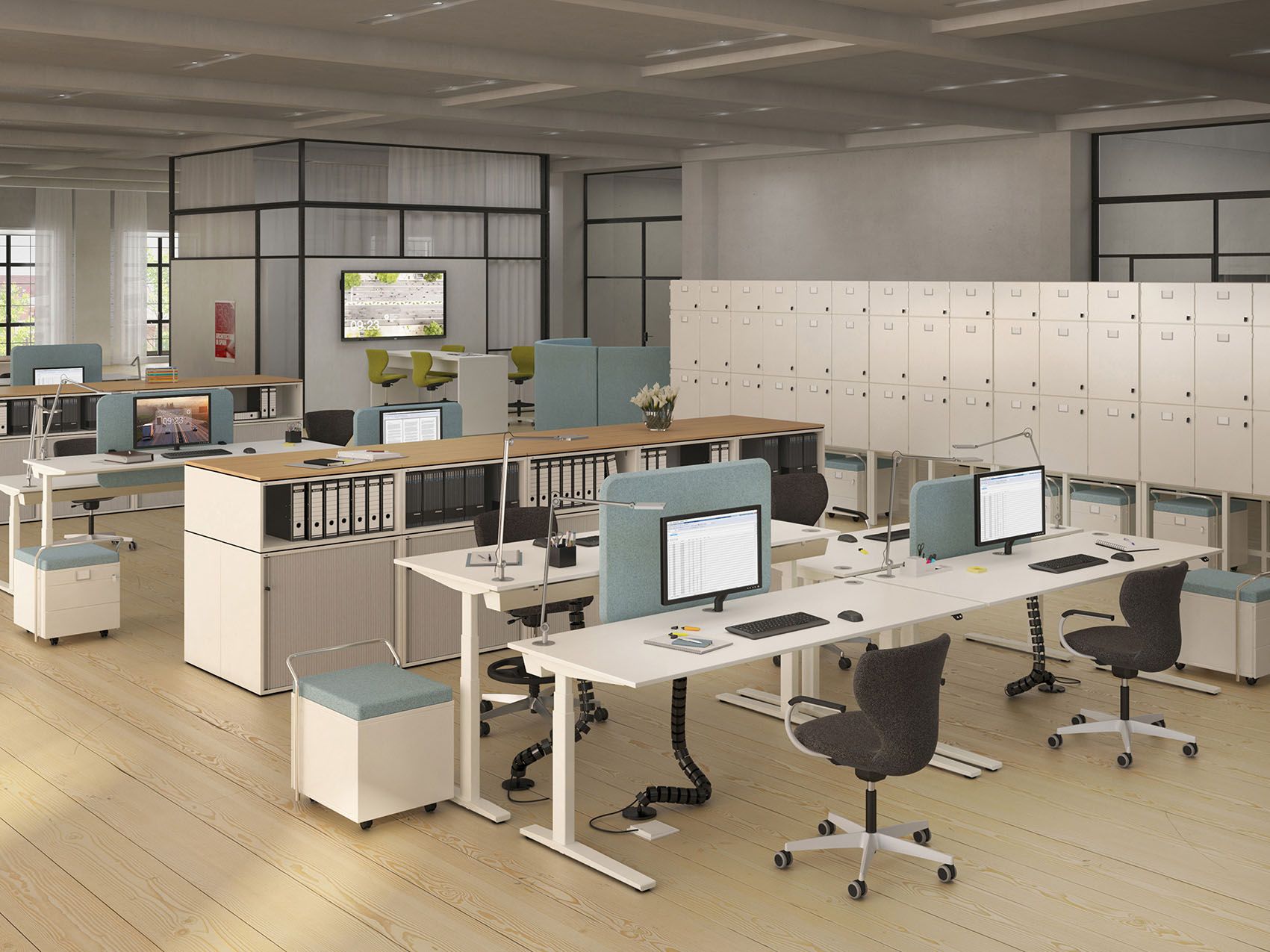
Using an app, employees can control important working parameters, such as temperature, light, blinds so that they meet their current needs. For lighting in particular, it must be ensured that it is possible to work with displays, paper, or whiteboards.
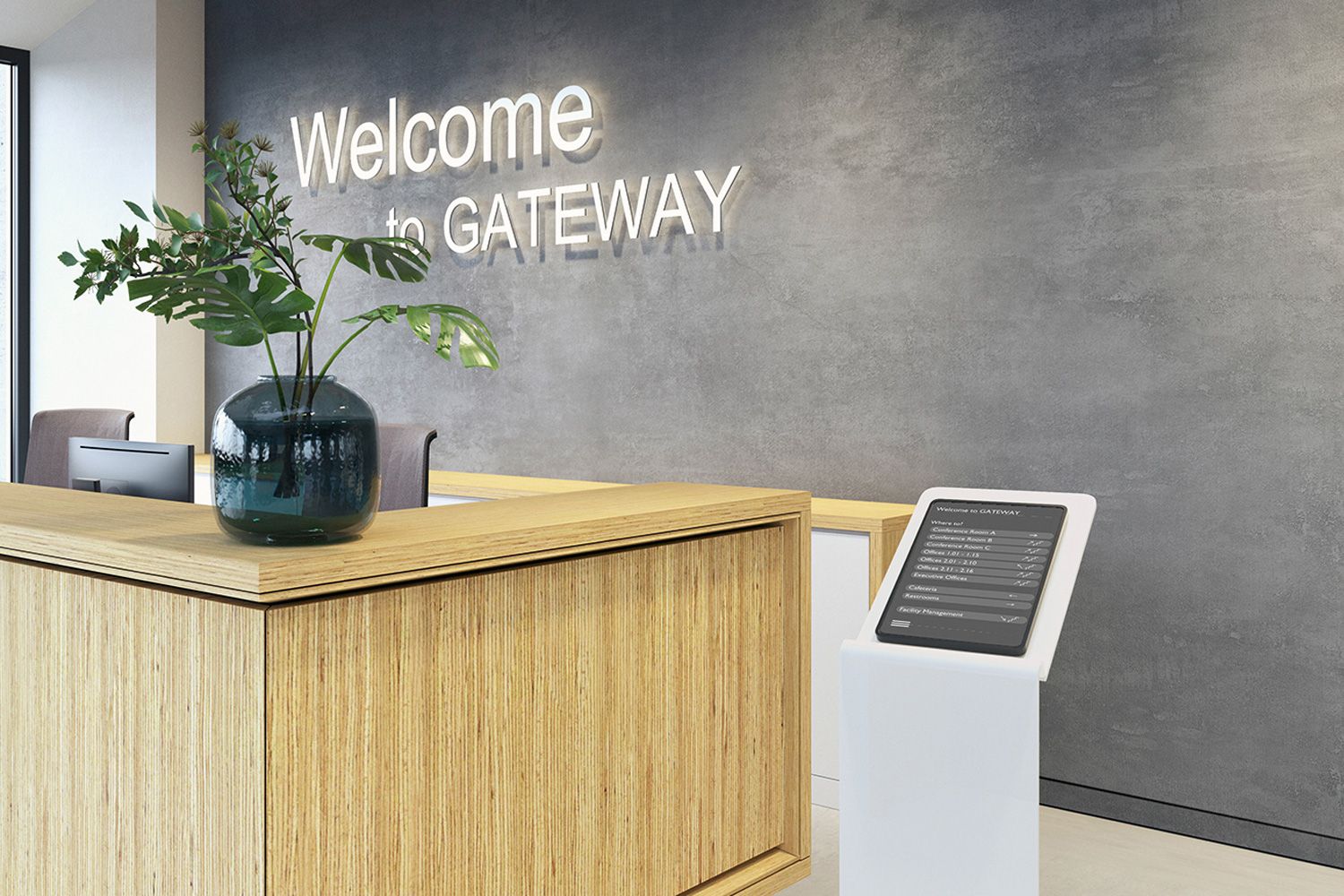
Smart Office technologies allow optimum flexibility in the everyday working routine. Scheduling, project management, keyless access management and independent check-in for visitors - the app can be used for such time-consuming tasks. Employees can work with fewer disruptions and therefore more efficiently.
You might also be interested in this

Rooms affect motivation, performance and it is important to take advantage of that in offices. First things first: no, it’s not enough to buy hip designer furniture. For a perfect working environment, your office must be proficient in soft skills. Read on to find out what they are so that you can design a perfect working environment.