Ms Karg-Röckl, why did you introduce the Chur model to your classes?
Because it brings lots of important elements together. It is based on the self-determination of the children, self-efficacy and working together respectfully. They foster the skills that the children need, both now and later in their working lives.
With conventional teaching, we very quickly reach our limits in schools, especially with challenging classes. Every class simply runs much better with the Chur model. The pupils get on with each other better. And it makes it easier for me to teach. I don’t see myself as a mere conveyor of knowledge, but as a learning companion who inspires the pupils to act independently while standing at their sides in a supportive role.
Why did you decide on the Chur model? After all, there are other learning space models...
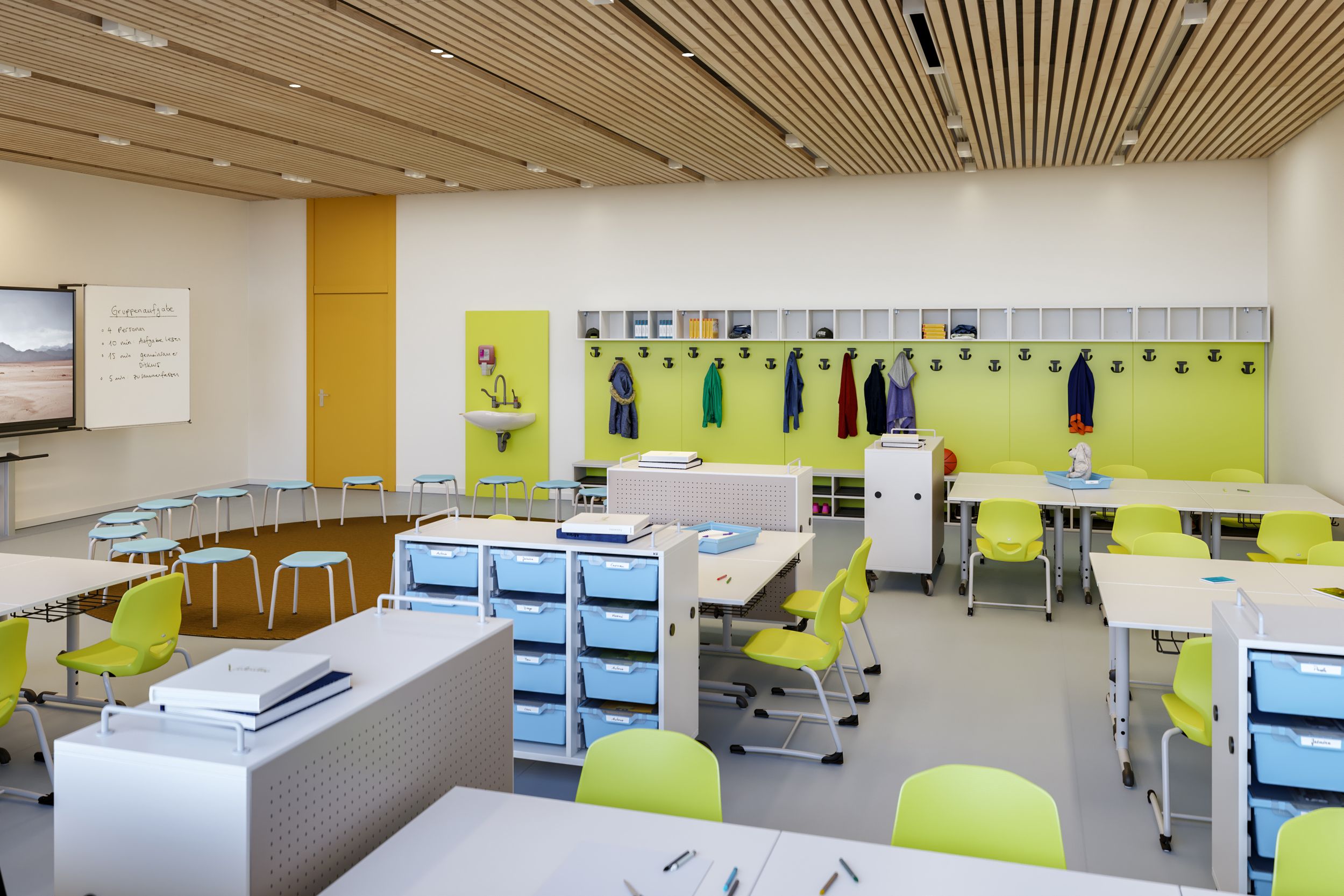
...where the basic idea is always the same: an open space. The pupils choose what they learn and where they sit themselves, where they work alone and where with partners. This idea of self-determination is fundamental, even though, naturally, I as the teacher specify the structures. But you have to watch out: an open learning environment doesn’t automatically imply open learning.
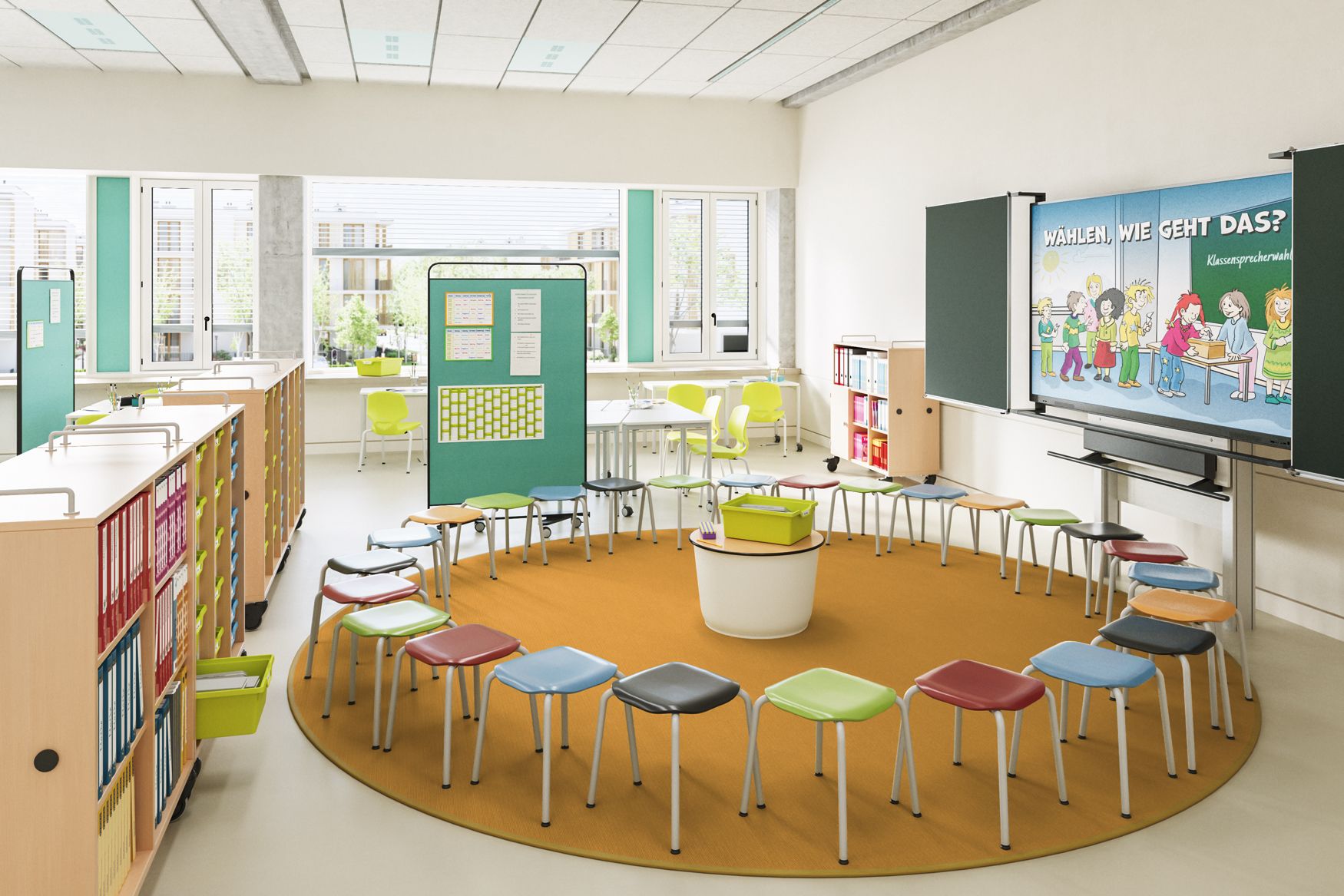
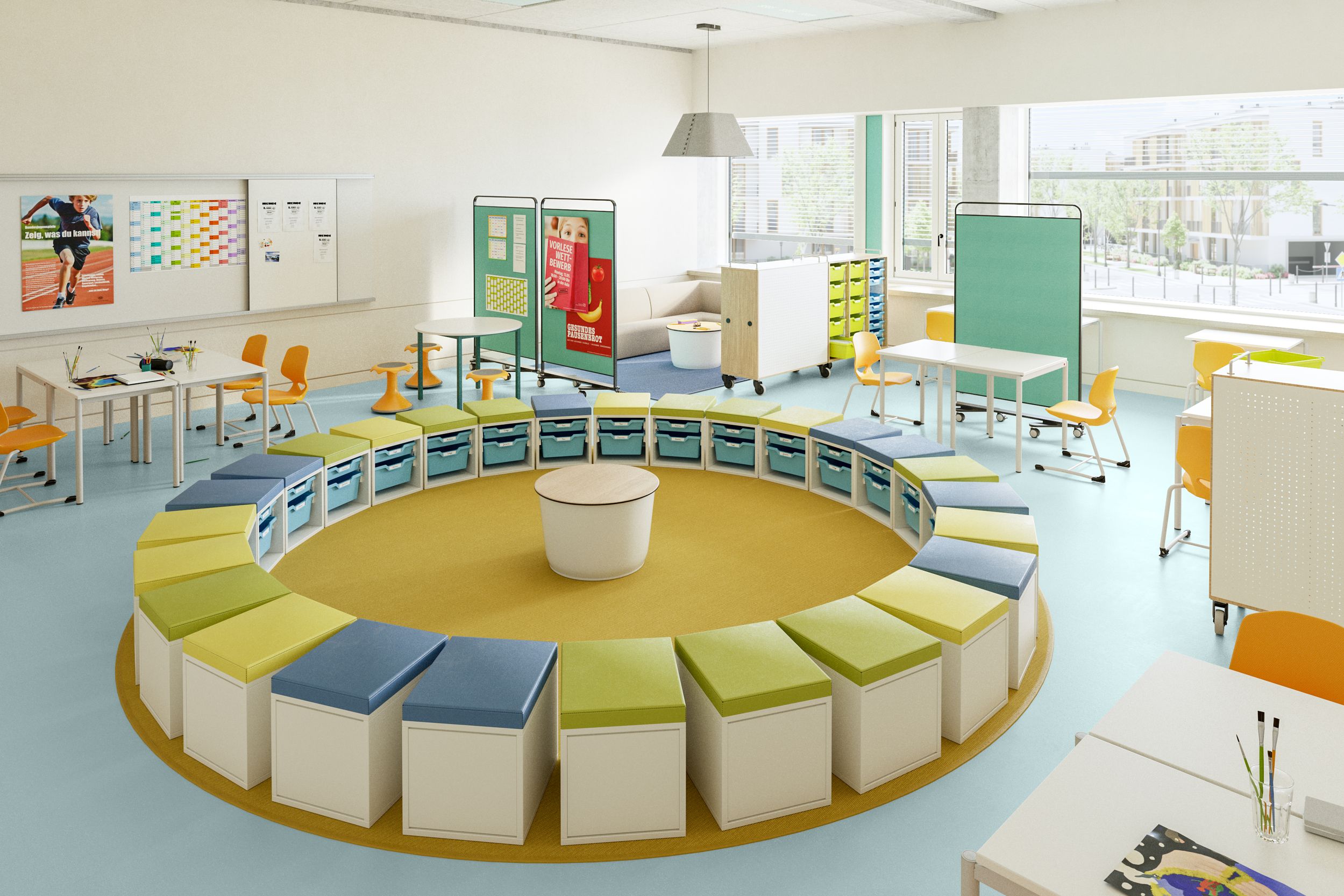
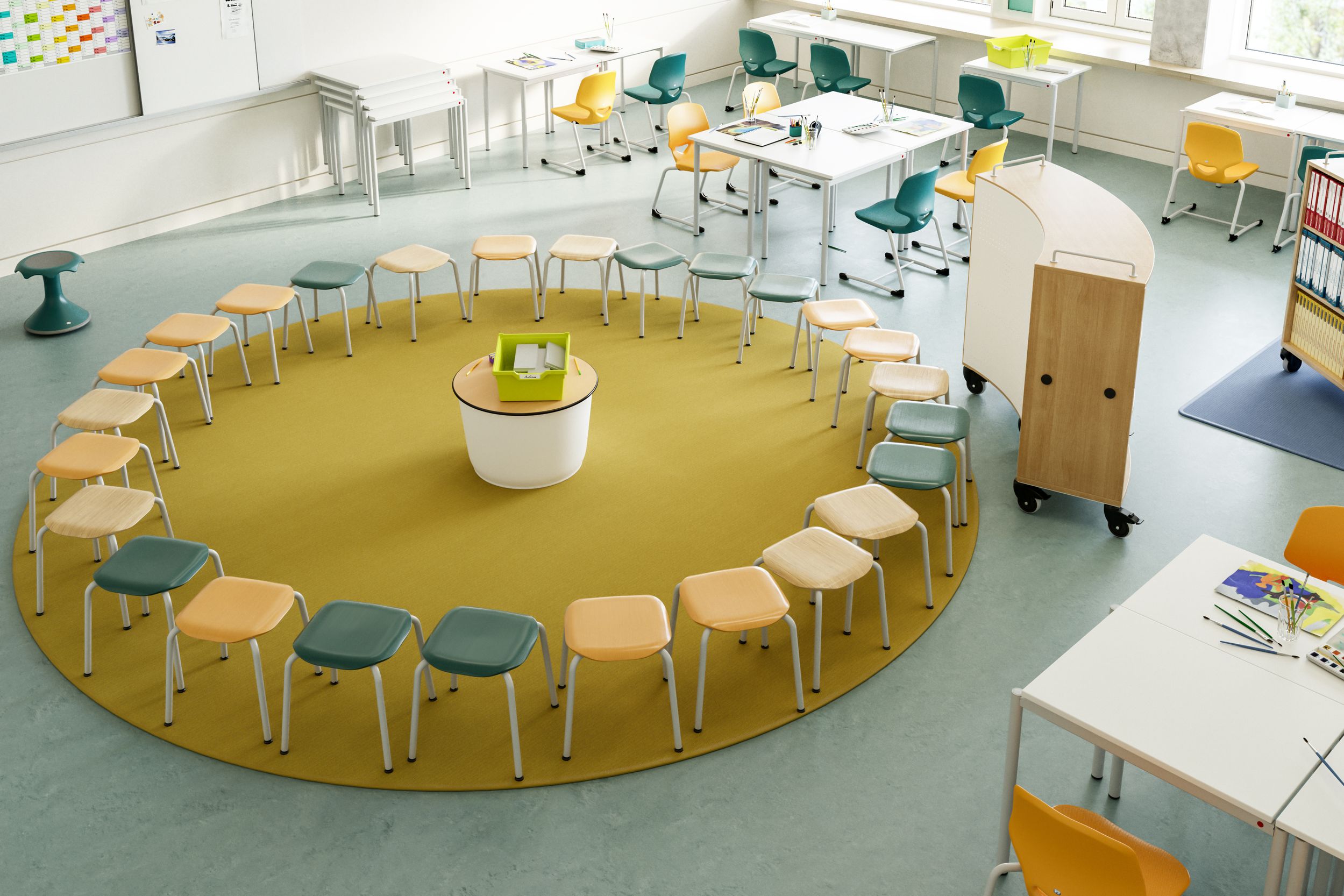
The one thing that is especially important to me and is central to the Chur model is that everyone is on the same level. For me, there’s nothing worse than the attitude of you do what I say, with no opportunities for participation. I want to send mature pupils out into the world, who listen, who ask questions and then express their criticism – attractively presented so that the message gets across. The Chur model, with the circle as the heart of the lessons and an open space, is ideal for this.
What does the circle achieve then?
Everyone is on the same level, nobody is sitting in the second row, everyone can see everyone else, everyone gets the same level of attention, everyone is heard. That encourages active participation because everyone feels directly addressed. Social skills increase, the class becomes a team. At the same time, interactions change: if you’re looking into someone’s eyes, the psychological barrier for being unfair is higher. The class moves closer together, social behaviour improves noticeably. And I as a teacher notice: there is a connection. Everyone uses the circle for input and reflection phases, at other times, the open learning space is used.