"Humans need regular exercise – even when sitting"
Movement specialist Dr Dieter Breithecker has been advising VS on ergonomics for many years.

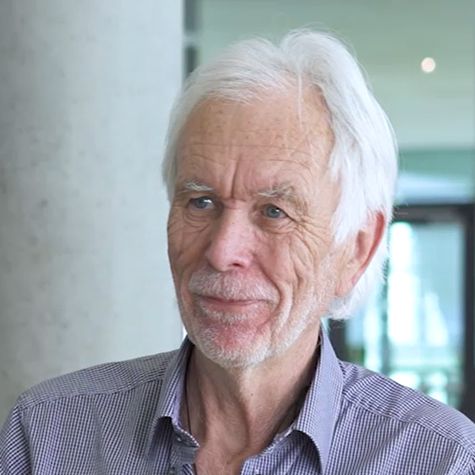
VS: Dr Breithecker, when we talk about ergonomics today, we often refer to contemporary ergonomics. What does that mean?
Ergonomics is a very complex subject. It basically deals with working conditions and learning conditions. Light, acoustics, air, indoor climate, colour, movement, etc. also play a role. In terms of furniture such as seating, the ‘old’ ergonomic criteria are very much influenced by orthopaedics and biomechanics: how should chairs and tables be adjusted in relation to my body proportions so that I can adopt a good, upright sitting or standing posture?
Is the old ergonomics obsolete?
These criteria continue to serve as a basis. However, due to their biological development, humans need regular exercise. Movement – including regular changes in posture – is fundamentally important for our physical and mental health and for our general well-being. That is why movement always develops spontaneously and intuitively in humans as soon as our body recognises static overload. For this reason, the ‘ergonomically correct sitting posture’ often described as exemplary is not physiological because it is too static.
What is the current ergonomic situation in our schools and offices?
Some improvements have been made over the last 20 years, but it must also be said clearly and unequivocally that in around two-thirds of cases, people still sit on rigid chairs, and here I am referring in particular to the seat functions. Fundamentally, however, people spend too much time sitting. Studies show that people spend ten to eleven hours a day sitting – including schoolchildren.
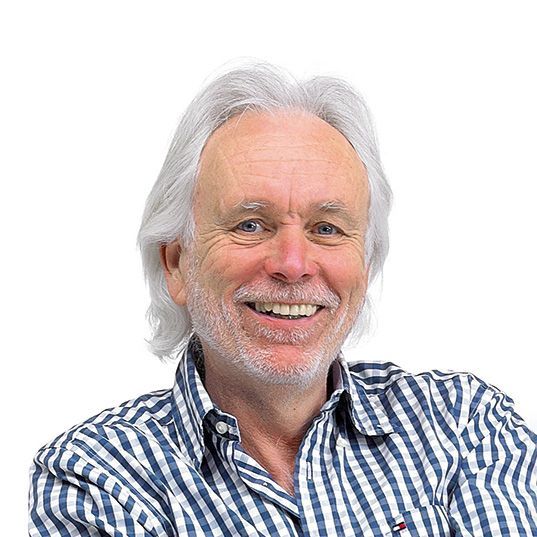
Dr Dieter Breithecker, sports and exercise scientist"In learning spaces, we need conditions that allow movement to unfold in a variety of ways."
How much should we sit at most?
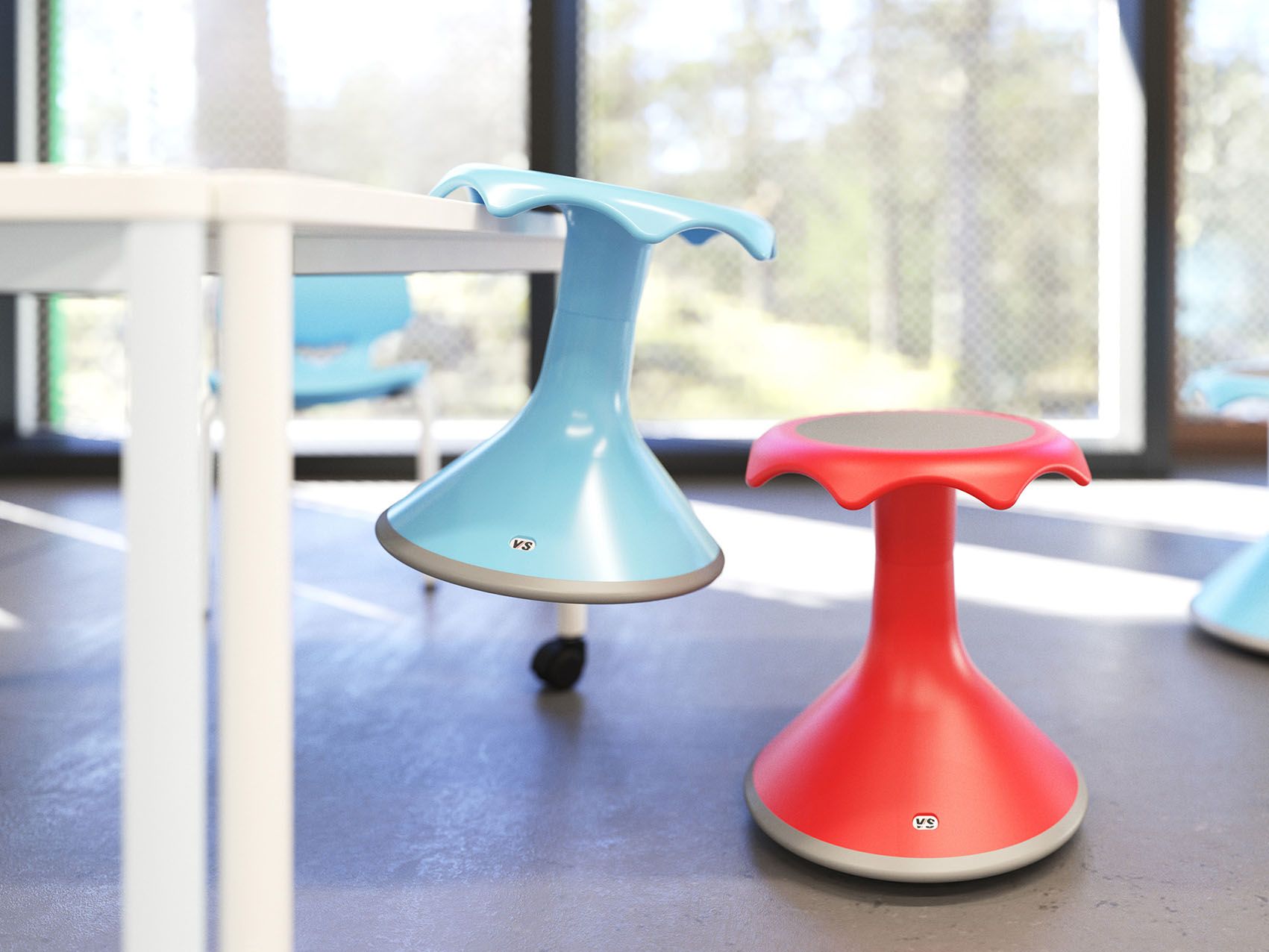
As adults, we should sit for a maximum of six hours a day and no longer than 20 minutes at a time. Children up to the age of ten or eleven cannot and should not sit still for a single minute. They are undergoing important biological maturation processes that require regular movement. That is why we need learning environments that allow movement to unfold in a variety of ways. These include, for example, chairs on which children can rock ‘safely’, i.e. multidimensionally movable seats that give way to the need for movement instead of blocking it.
But children still sit down anyway.
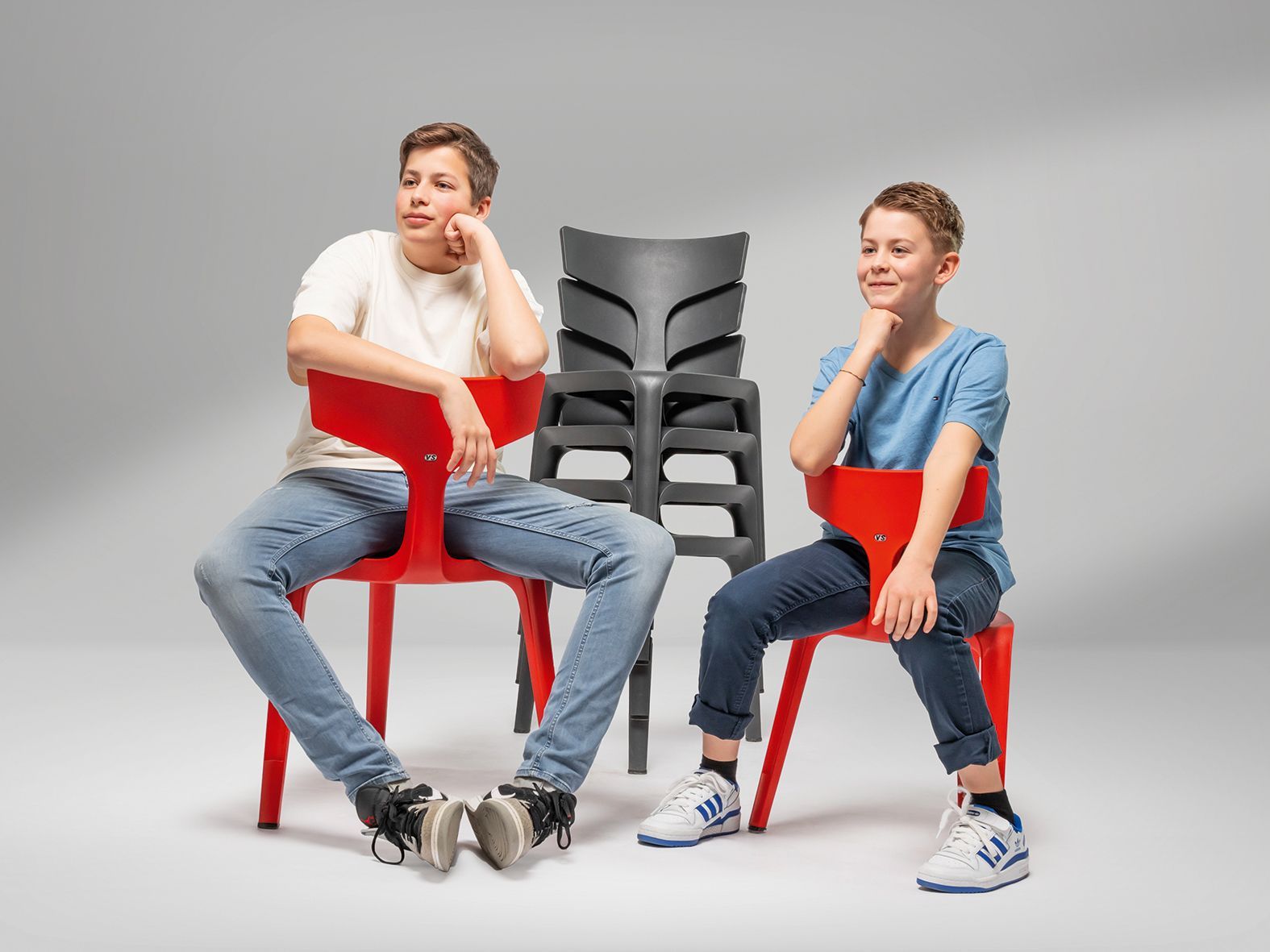
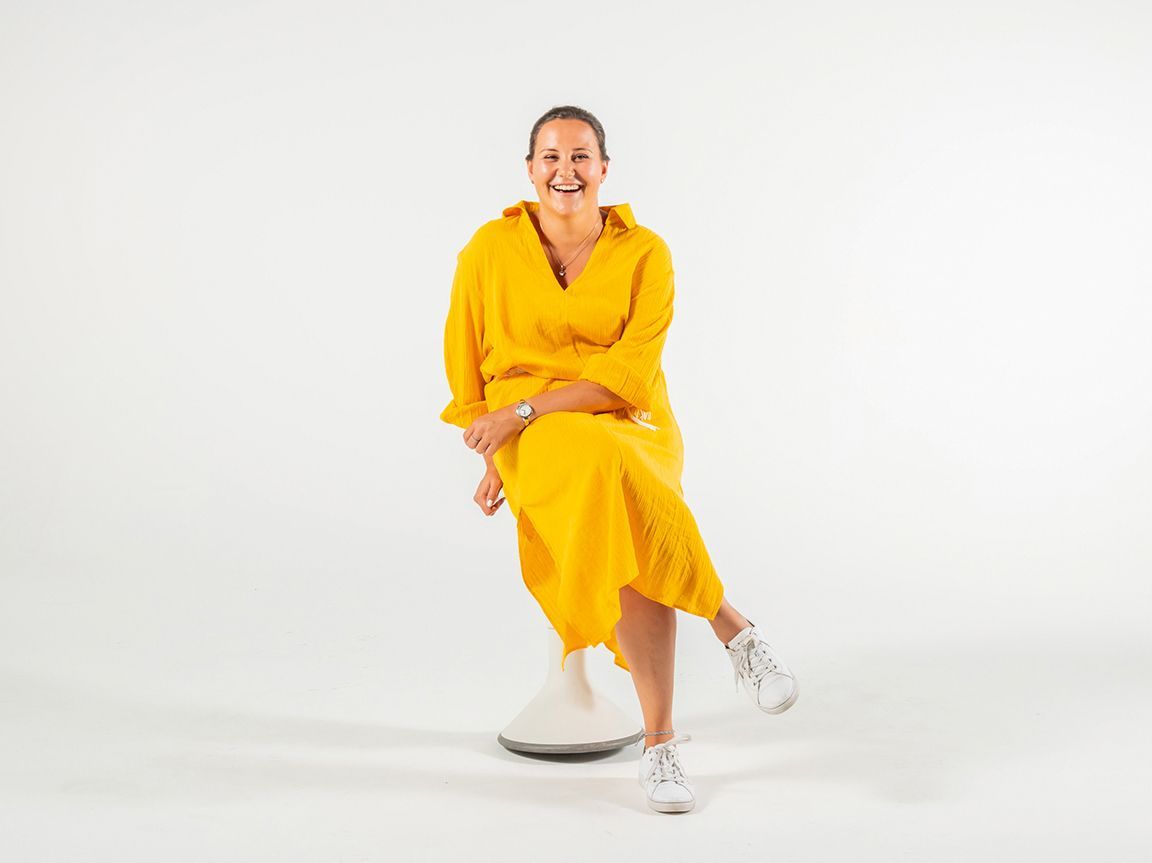
Yes, but they sit in a musculature-active way. Of course, it would make even more sense to do many things while walking, standing or crouching on the floor. But that is something that is completely foreign to everyday life. Many activities require a chair. This makes it all the more important to enable movement even when sitting. This is referred to as active-dynamic sitting based on specially designed seating concepts. Nevertheless, children – and adults too – should adopt different postures after half an hour. And we should organise learning and working in such a way that movement in the room is possible.
Children are relatively easy to encourage to move. With adults, this is often more difficult. How can I make their working environment more conducive to movement?
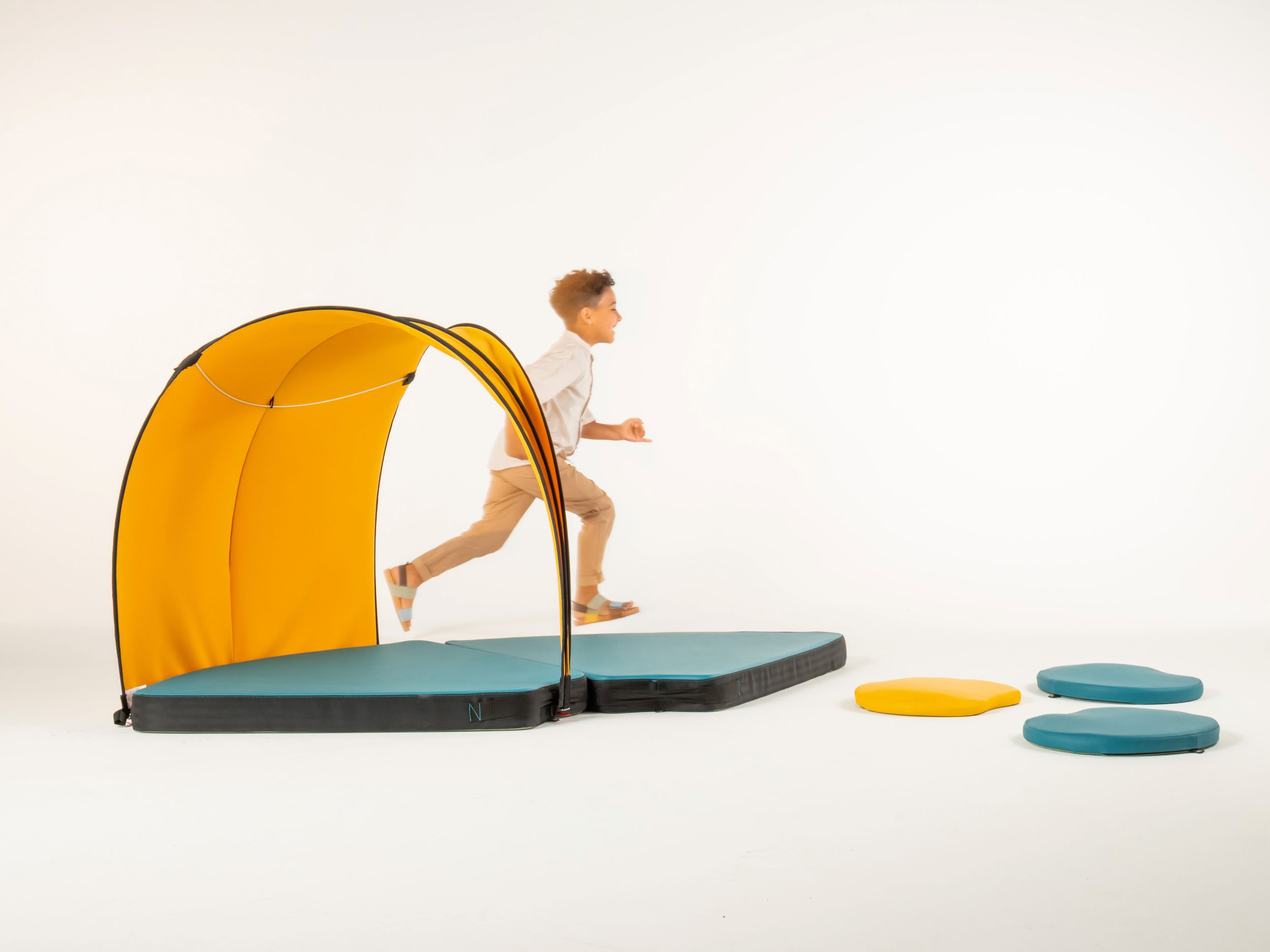
People need to feel the benefits that a change of posture brings them. And they need to be offered as many opportunities as possible to change their posture. Conditions create behaviour. The best example is meetings. If they take place exclusively at standing tables, they are proven to be shorter and more efficient. The participants are more alert. And afterwards, they notice that standing has done them good. Incidentally, we need to start early on to create conditions that allow children to retain their joy of movement and prevent sedentary behaviour from becoming established in the first place.
Do we need more exercise breaks instead of physical education?
I wouldn't agree with that. Physical education has different goals. Exercise that is spread out evenly throughout the day based on individual needs is the necessary foundation for healthy metabolic functions. It is therefore the basis of a hypothetical exercise pyramid. Sport helps us achieve a certain level of fitness and is at the top of this pyramid.
Does the use of digital media change the requirements for the ergonomic design of learning spaces?
Digital media pose a significant sensory challenge and a certain amount of sensory overload. When learning and working with digital media, we should therefore also activate muscle, movement and balance sensors in a targeted manner, otherwise we will end up with a sensory imbalance. This in turn has negative effects on our physical and mental health. The higher the proportion of digital teaching, the more we need to activate the body.
What do you recommend?
I can use digital media while standing or on motion chairs. If the presentation is on a large display, the group can stand around the screen instead of sitting. Motion chairs, stools and standing desks are generally helpful. And also a suitably equipped floor on which you can change position again and again.