Infrared vs. capacitive which touch technology is right for you?
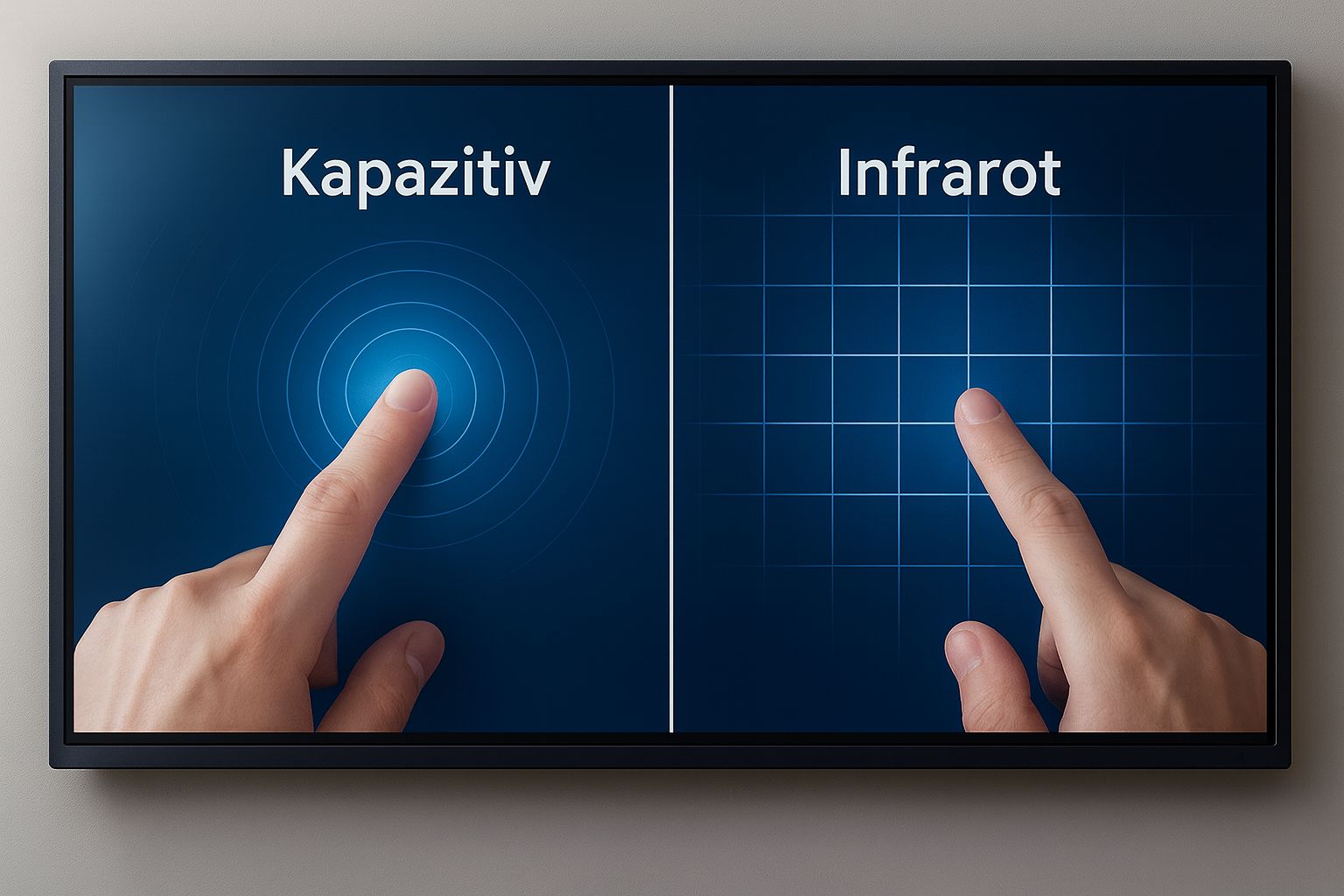
From infrared to capacitive to the perfect touch and back again – the ideal solution is the technology that suits your area of application. This keeps workflows in balance, as practice shows today. There is no one-size-fits-all solution. It is therefore more helpful to recognise that the right technology is always the best. Touchscreens are everywhere today: in schools, offices, display systems and industrial applications. But not all touch technologies work the same way.
How the two technologies work
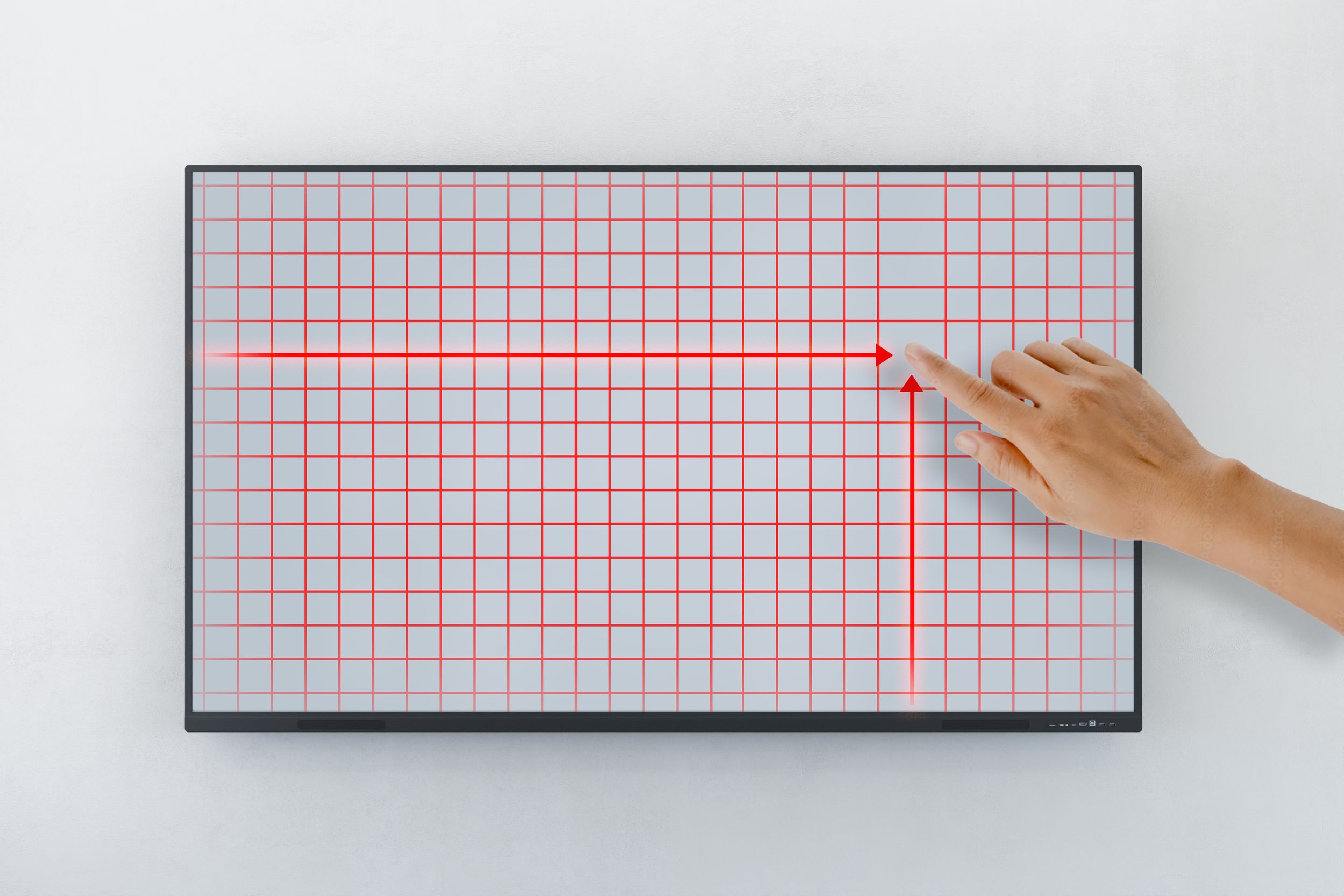
With infrared technology, a frame with LEDs and sensors generates an invisible infrared light grid above the display. As soon as a finger, pen or other object interrupts the light grid, the system detects the touch and calculates the position precisely. The big advantage: the technology works with fingers, gloves, pens or any other object.
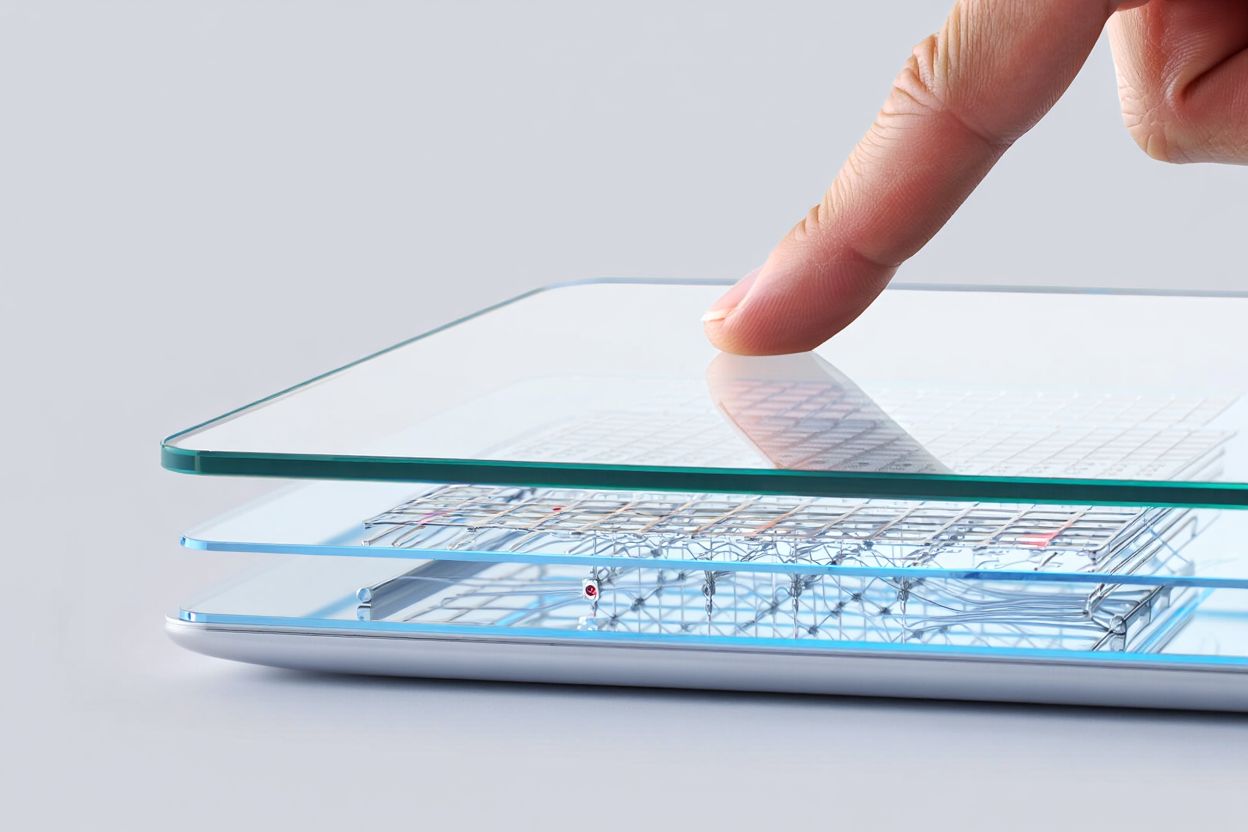
Infrared touchscreens – the flexible ones
Advantages of infrared technology:
- Flexible operation: Works reliably with gloves, fingers or any stylus
- Fast response time: Smooth and precise input without significant delay
- Multi-touch support: Multiple simultaneous touches possible
- High image quality: No additional layer on the display, the image remains clear and sharp
- Robust and durable: Resistant to scratches
Capacitive touchscreens – the precise ones
Advantages of PCAP technology:
- Flat design: No annoying frame necessary
- High robustness: Surface made of hardened safety glass, scratch-resistant and easy to clean
- Precise writing feel: High writing accuracy and natural input
- Gesture control: Supports drag & drop, zooming and rotating
- Multi-touch capability: Multiple touch points simultaneously
Palm detection – write as if on paper
- No false triggers: resting palms or hands are not recognised as touch points
- Advantage for beginners: writing, calculating, drawing and using analogue blackboard tools feels just like using an analogue blackboard or paper
“The most perfect technology is the one that goes unnoticed.”Richard von Weizsäcker
The decision is yours
Select capacitive if:
- Precise writing and drawing are paramount
- Gesture control is important
- A flat, elegant design is desired
- Work is mainly done with fingers or special pens
Select infrared if:
- Flexibility in operation is required
- Work is carried out with various objects
- Maximum image quality without additional layers is required
- Robustness in harsh environments is important
Both technologies have their merits – the choice depends on your specific area of application.

Please do not hesitate to contact us if you have any questions.
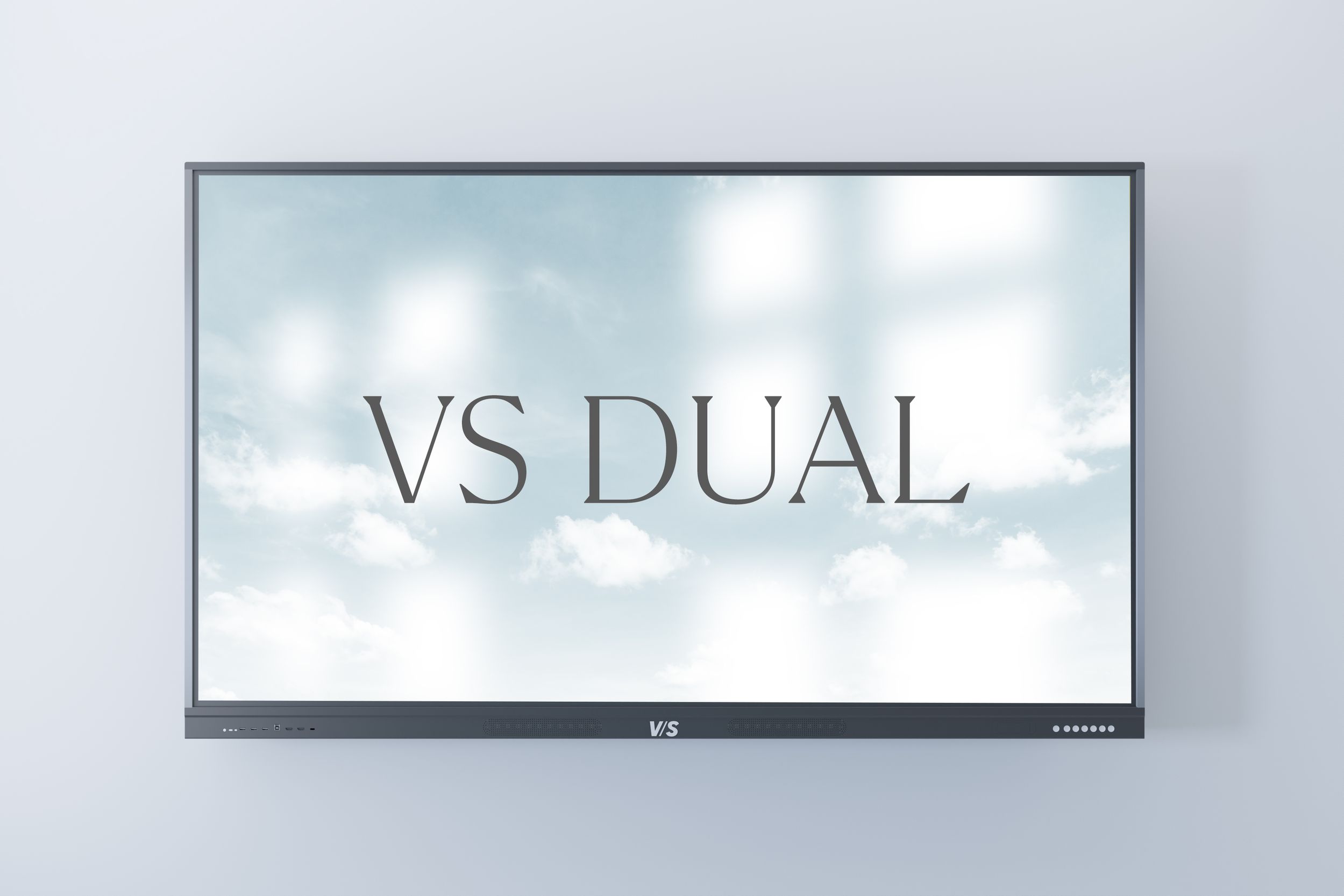
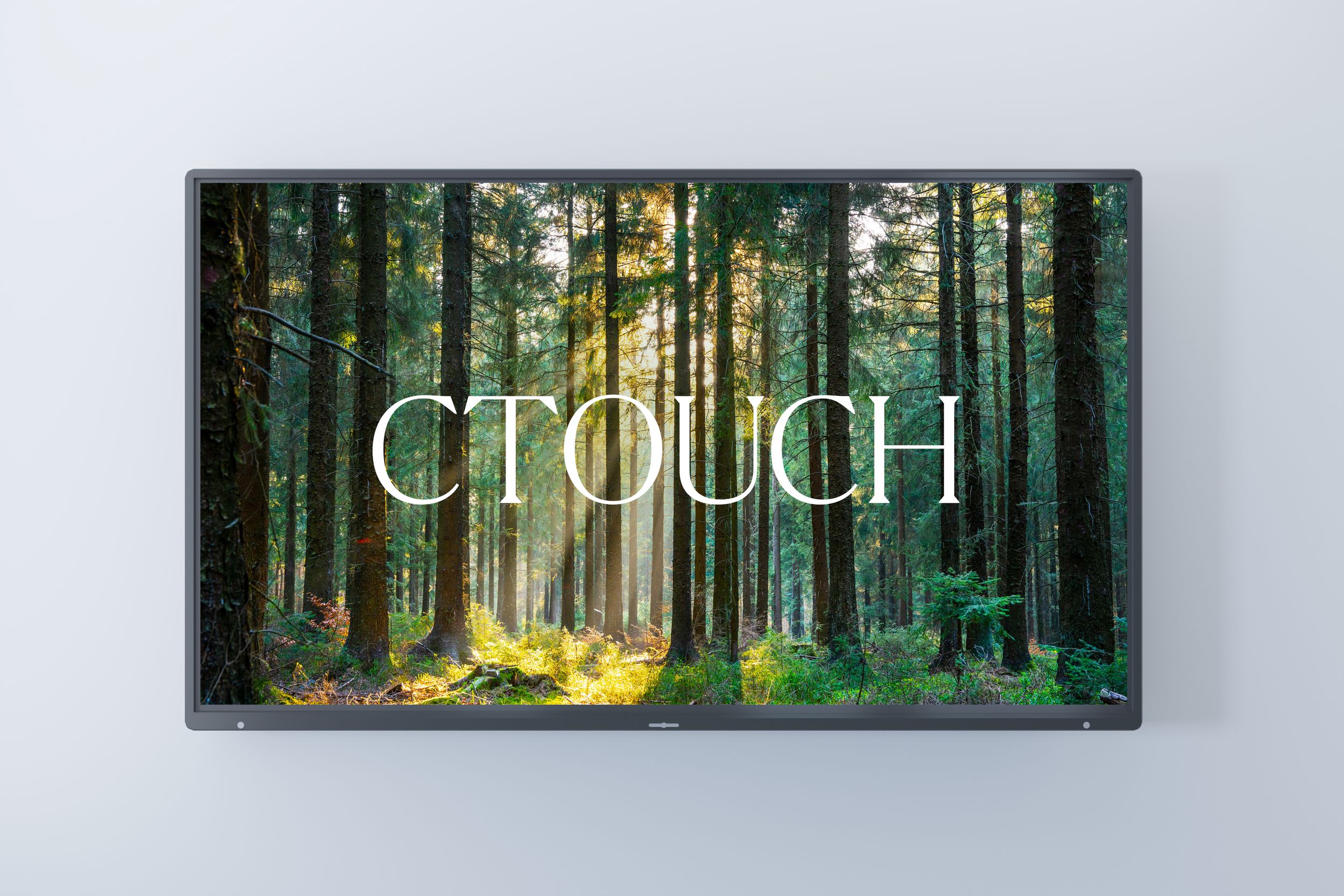
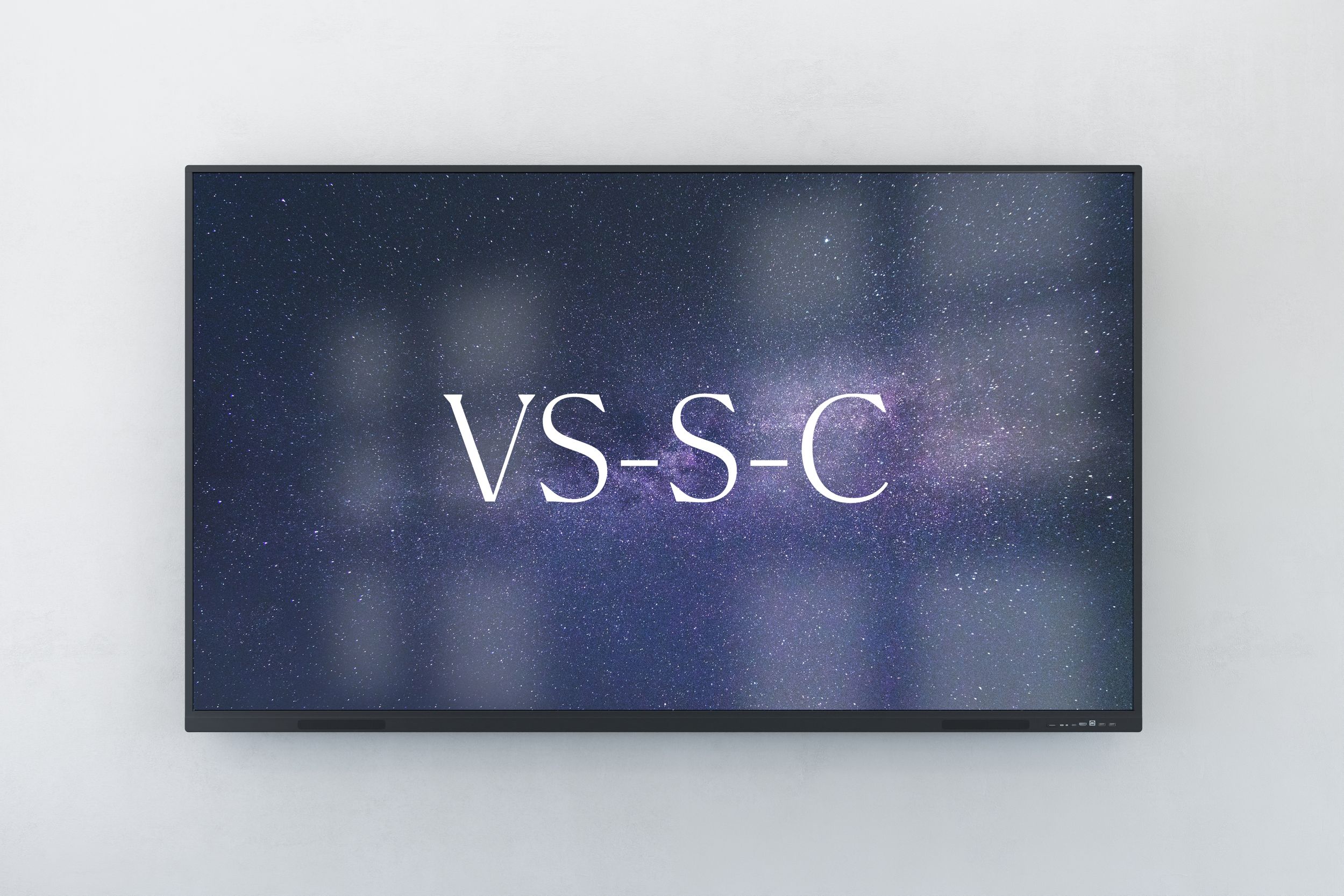
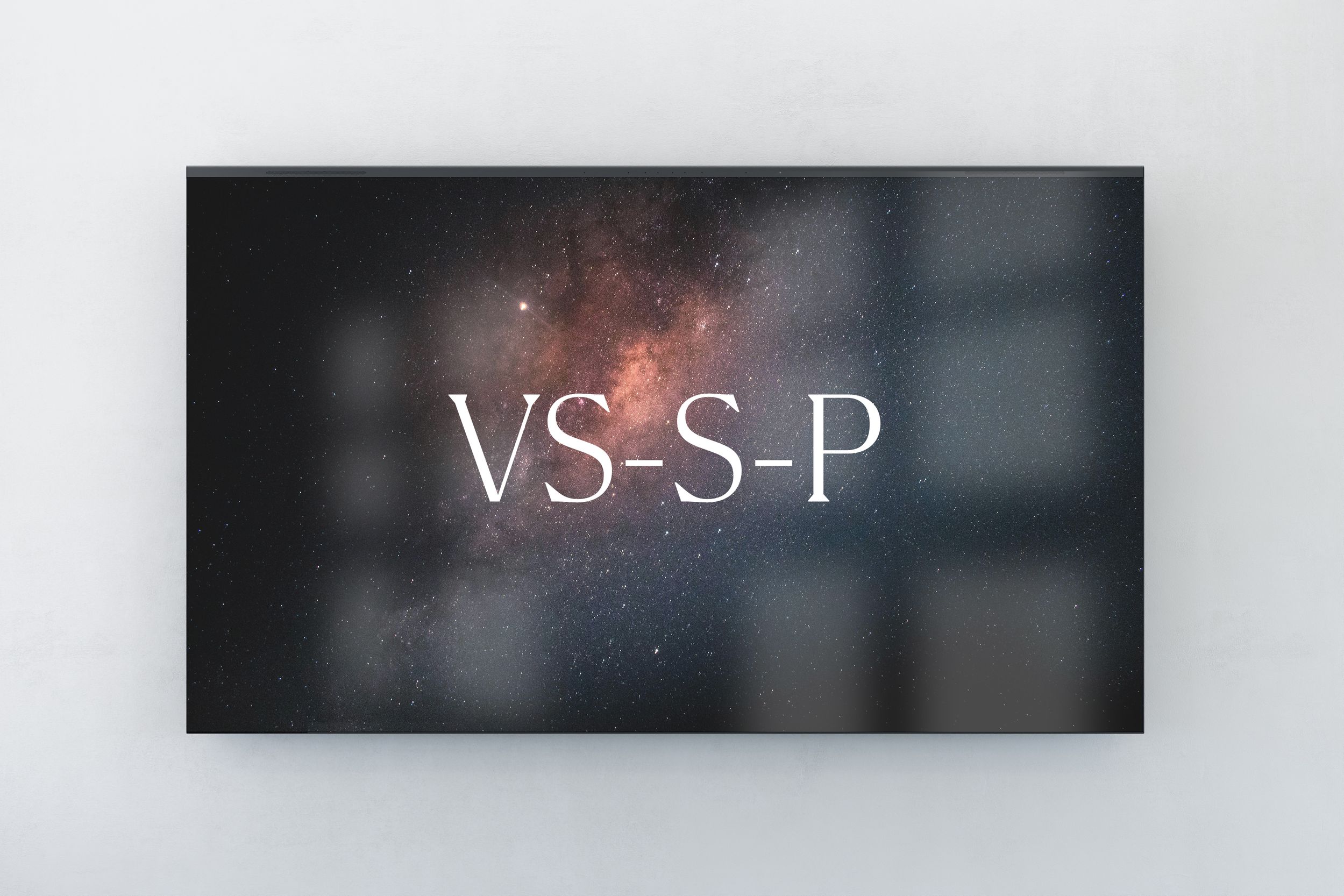
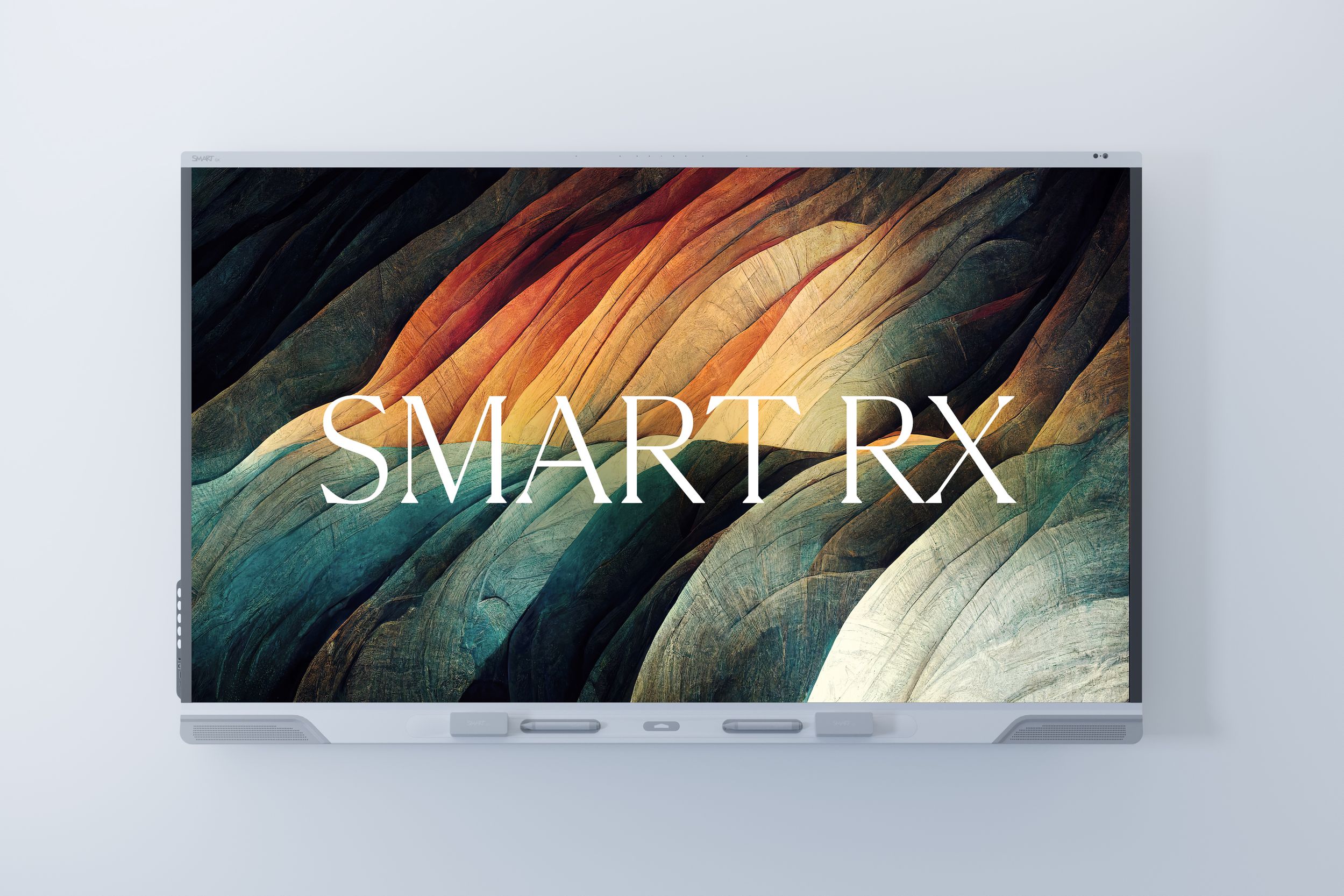
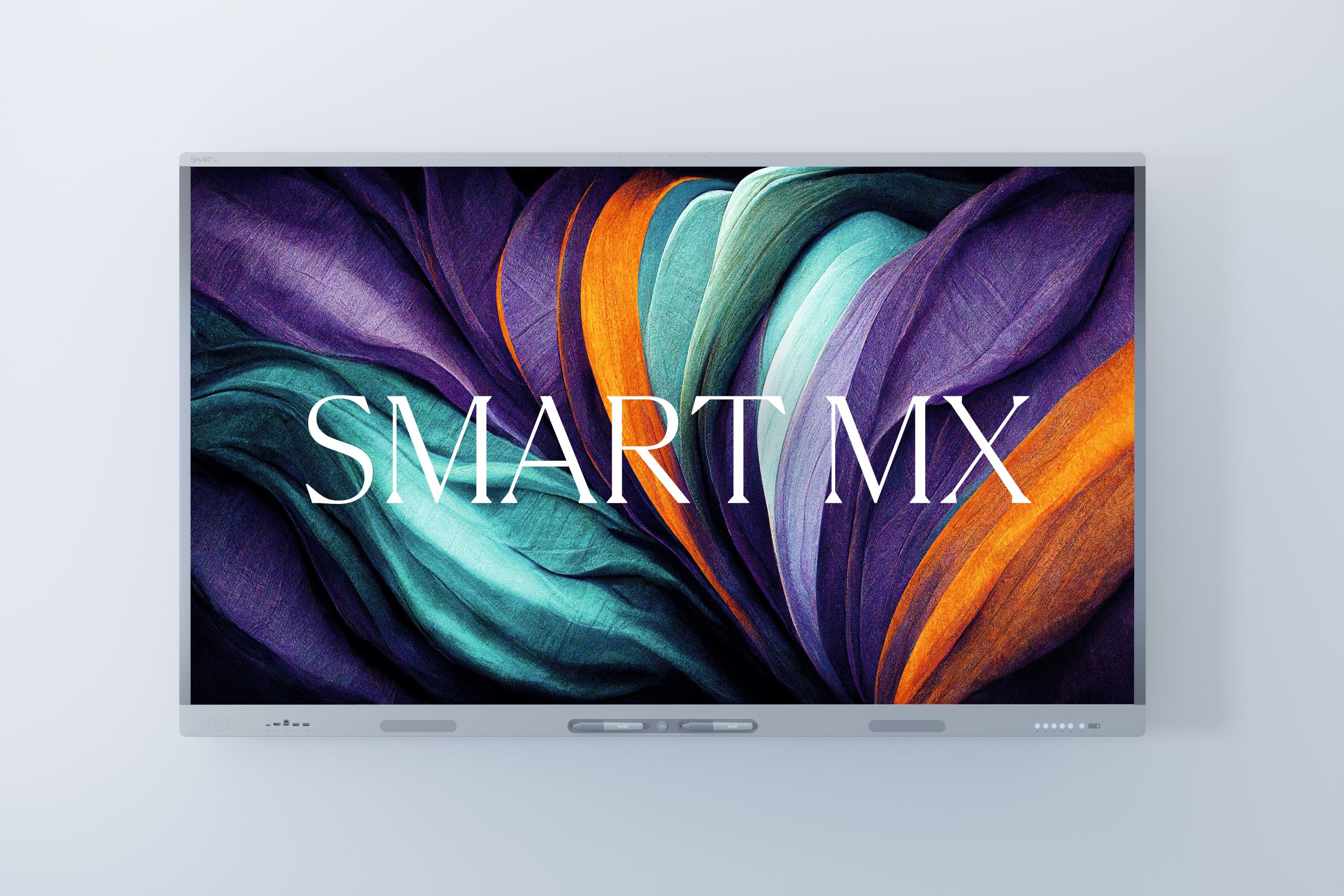
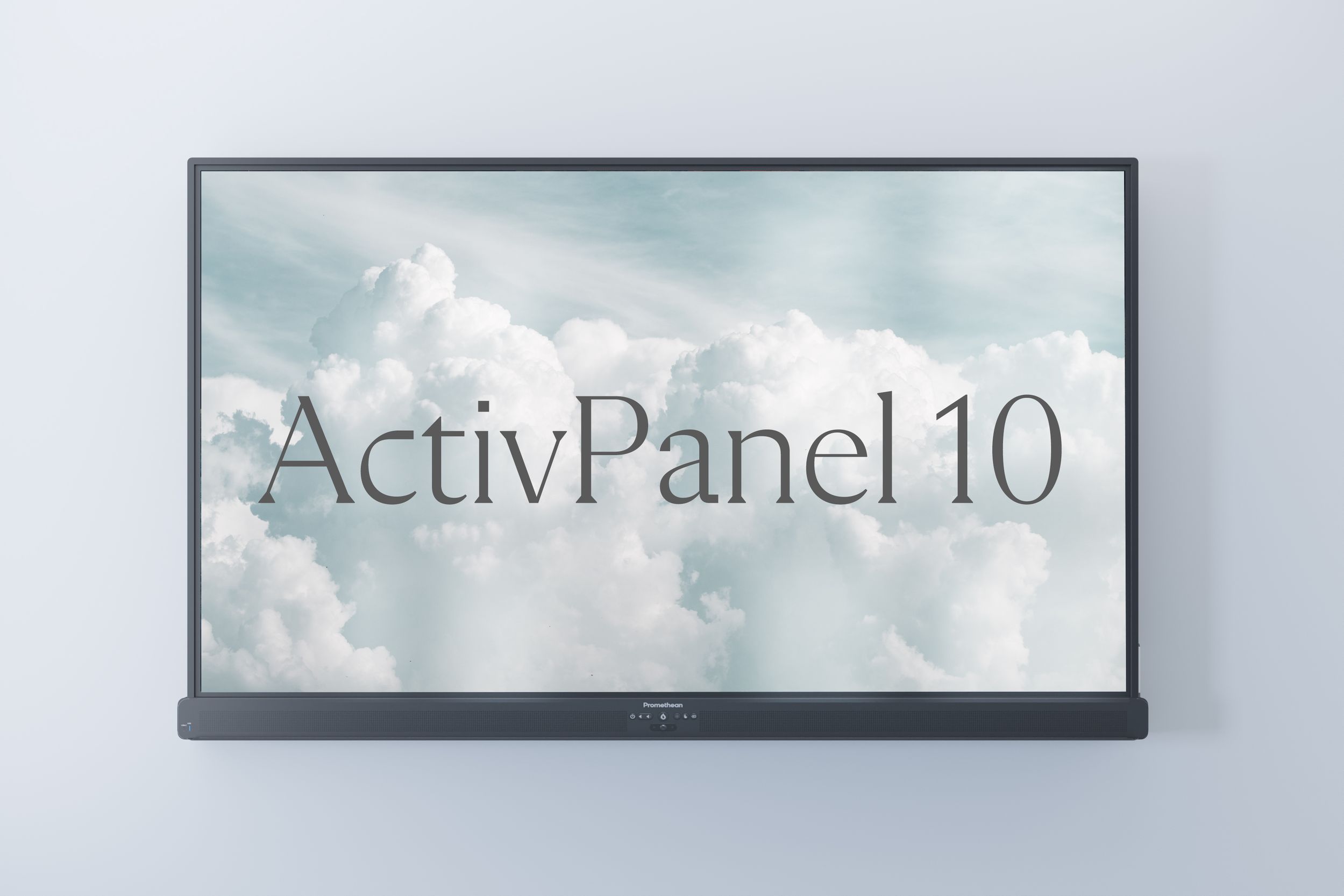
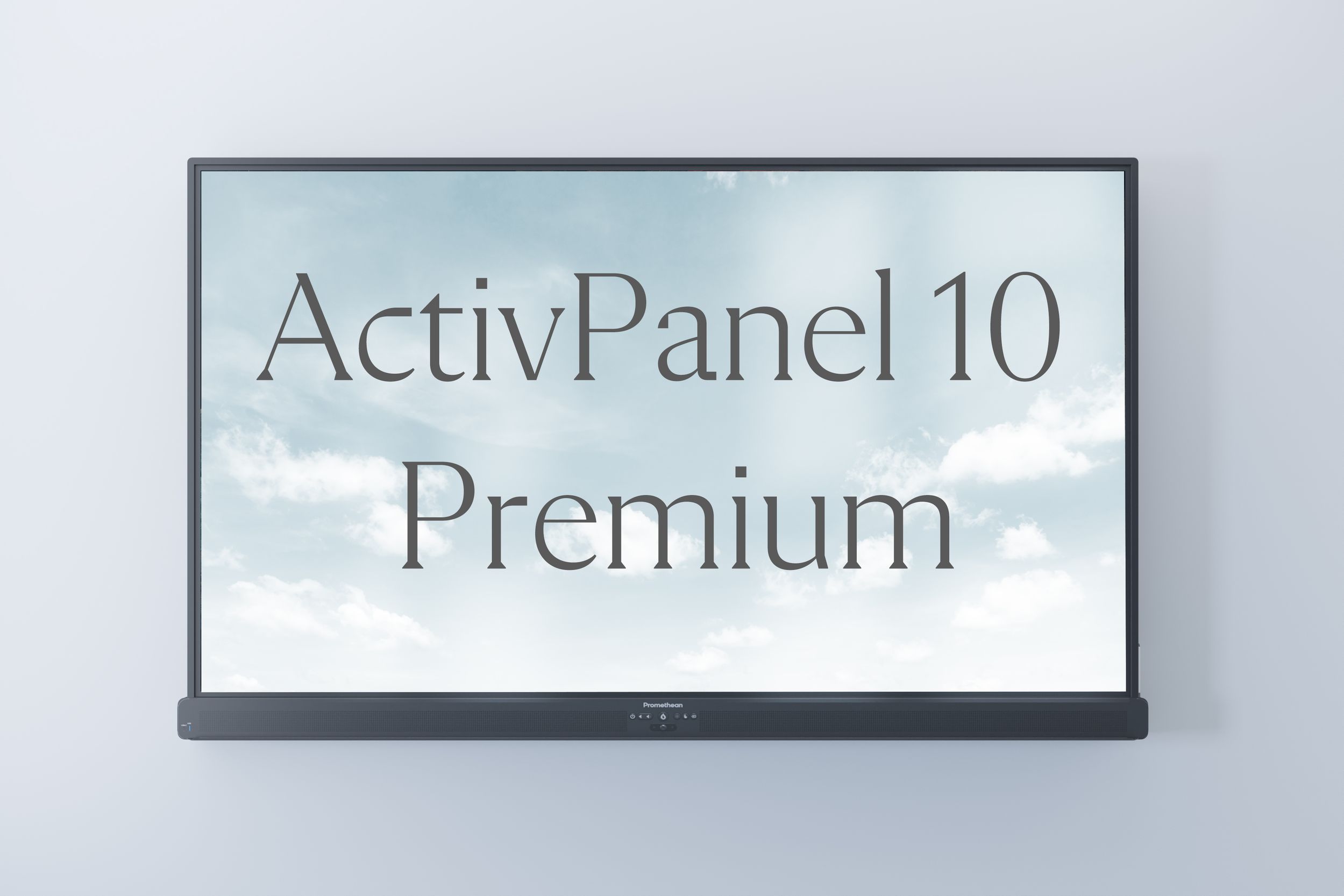
Our display recommendations – compiled for you