Lock-it and Store-it Keep your smartphones safe and secure


So that teaching does not take a back seat
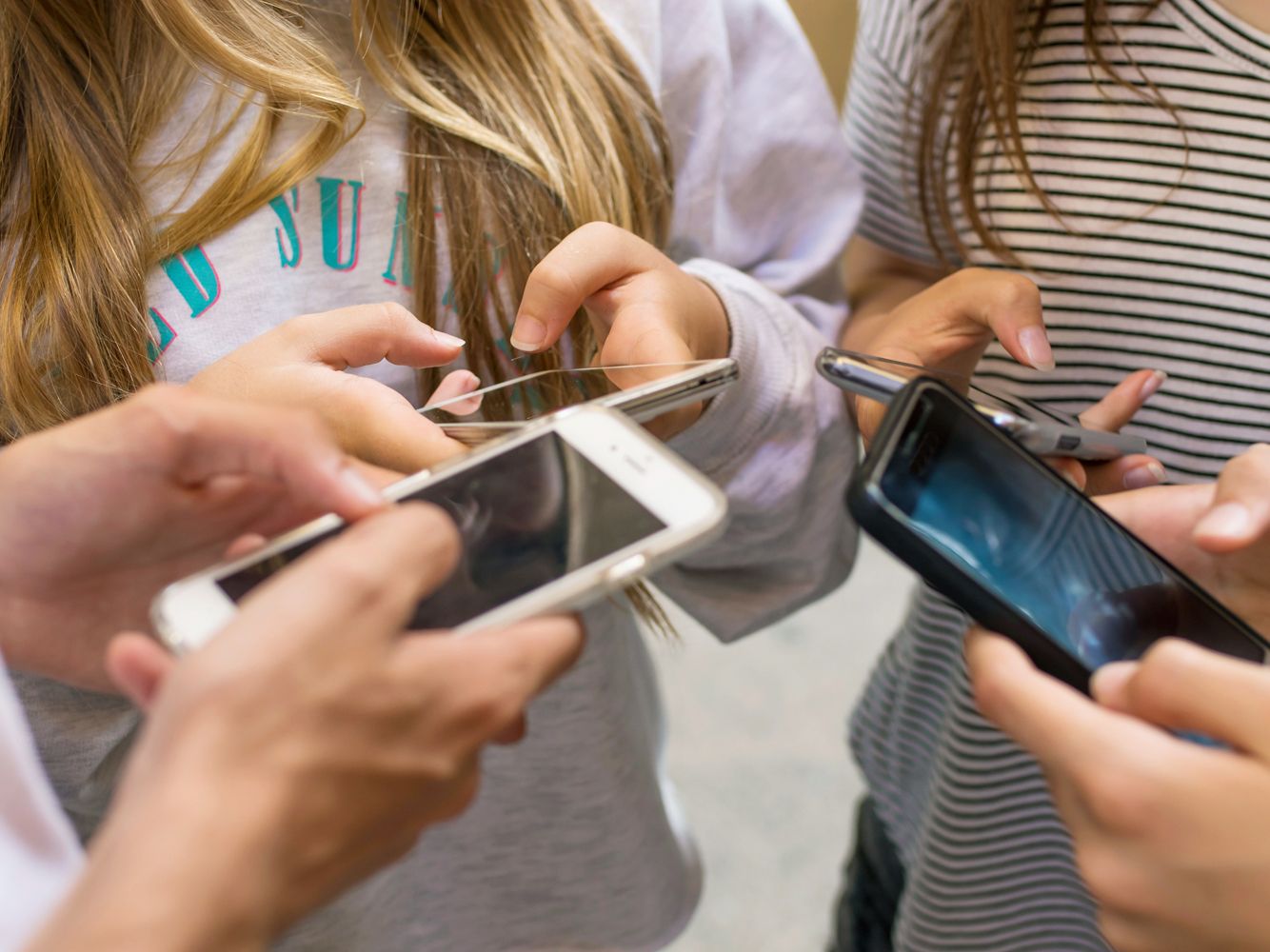
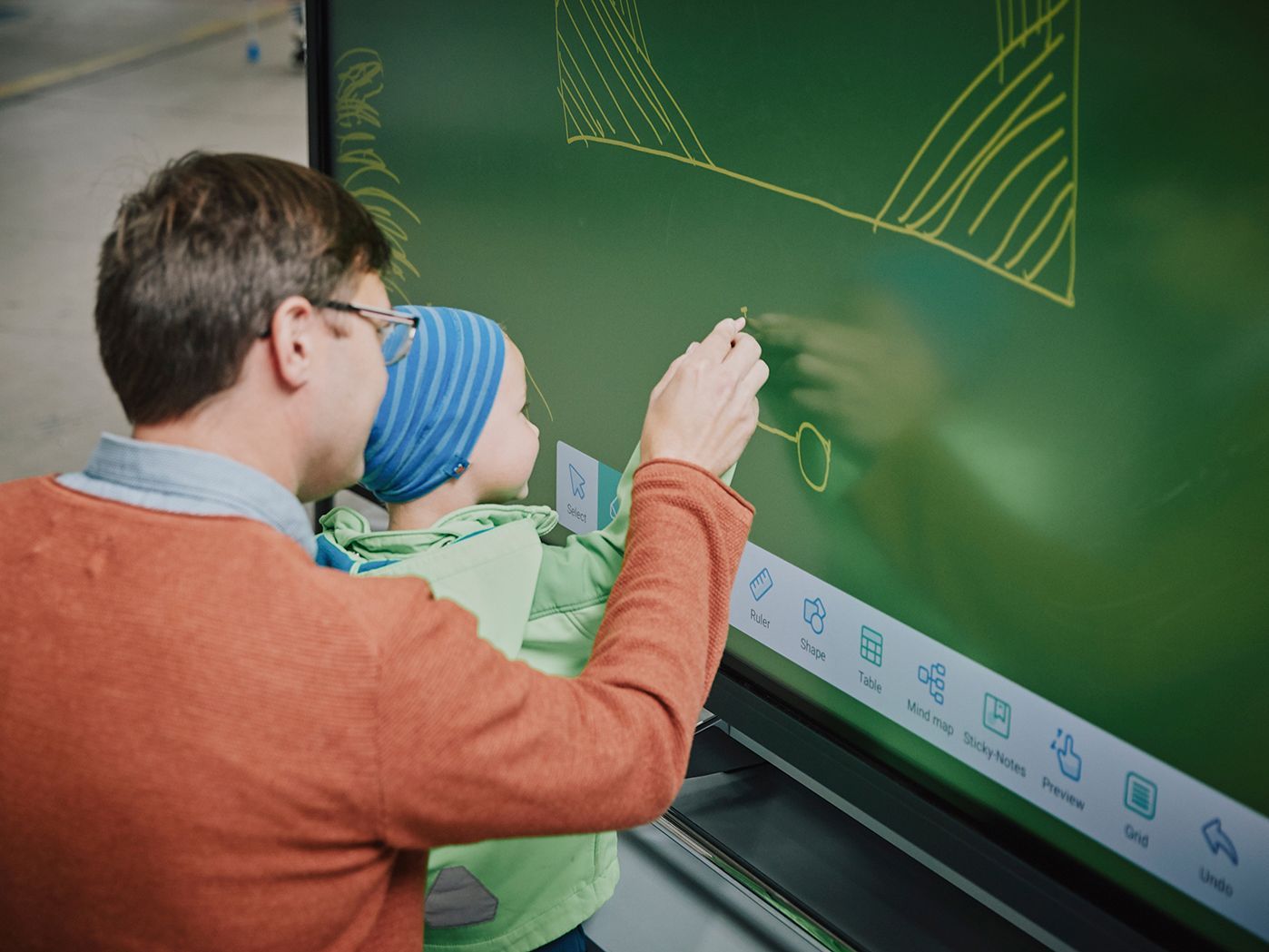
Private smartphone use is distracting, not only for the children and young people who use them, but also for their classmates. Added to this are conflicts, (cyber)bullying and the debate about addictive usage patterns.
Almost one in five schools in Germany has already issued regulations on smartphone use as a result. This was the finding of a survey by bitkom, published in May 2025.
Banning smartphones from the classroom – what does the research say?
There are few concrete scientific studies on how a general ban on mobile phones affects learning success. Moreover, their findings are not consistent. Some results suggest that a mobile phone ban can have positive effects, while others find no significant correlations.
However, the data on which the studies are based is often several years old. Mobile phone use among schoolchildren has changed rapidly during this time.

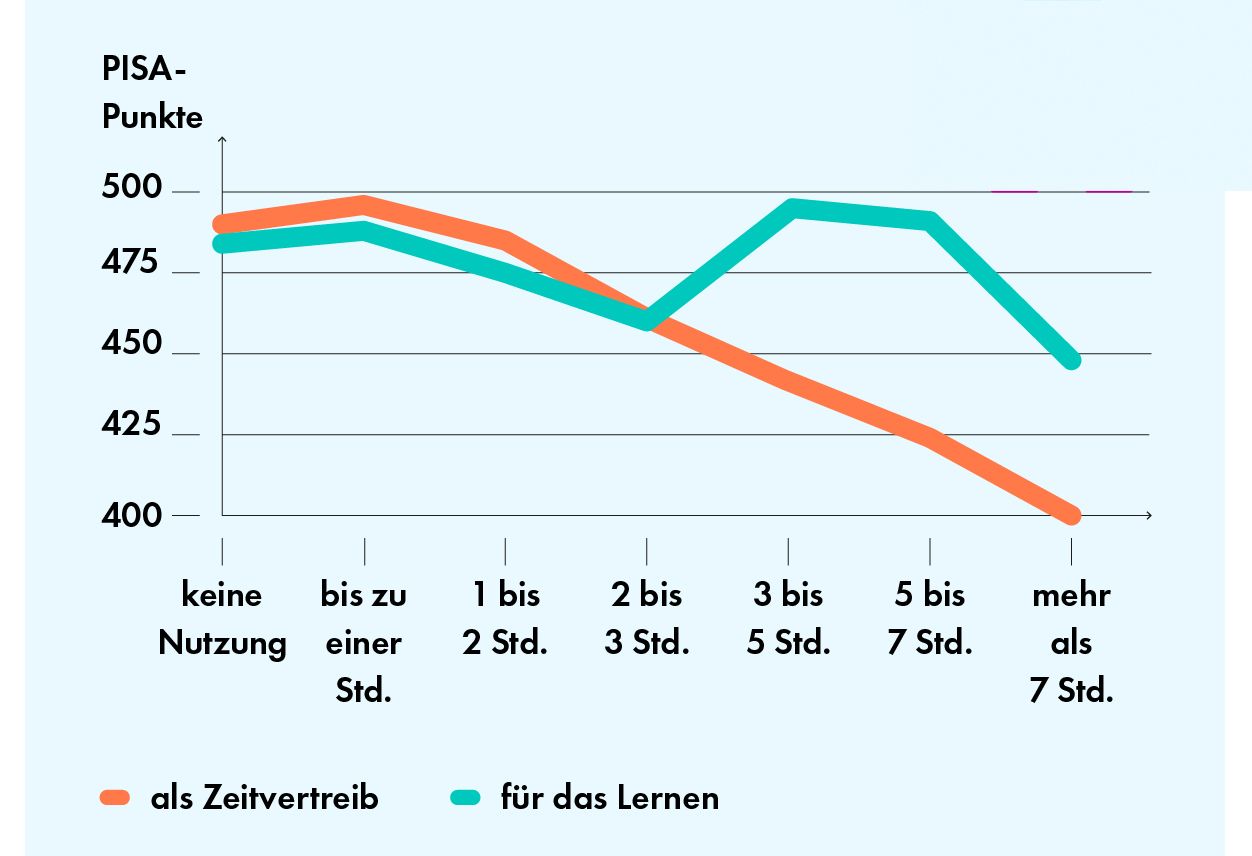
PISA performance and daily use of digital devices at school (Source: PISA 2022)
PISA 2022
The 2022 PISA study can be used as a meaningful reference for Germany. It also examined the relationship between mobile phone use and learning performance among 15-year-olds. Here are a few findings:
- Often, it is not the mobile phone itself that is distracting, but the pressure to always be available.
- Young people who say they always turn off notifications in class score an average of 19 PISA points higher than the average. This corresponds to the learning progress of half a school year.
- About a quarter of young people feel distracted in class by others using digital devices.
- The longer pupils use their mobile phones to pass the time, the worse their performance.
- Those who use digital devices for three to seven hours a day for learning perform better than average.
However, the researchers caution against immediately drawing a causal connection from the results. Other factors, such as social background, could play a significant role in the results. Nevertheless, one thing is clear:
Schools need rules so that pupils learn to use their smartphones responsibly.

How can schools regulate private smartphone use?
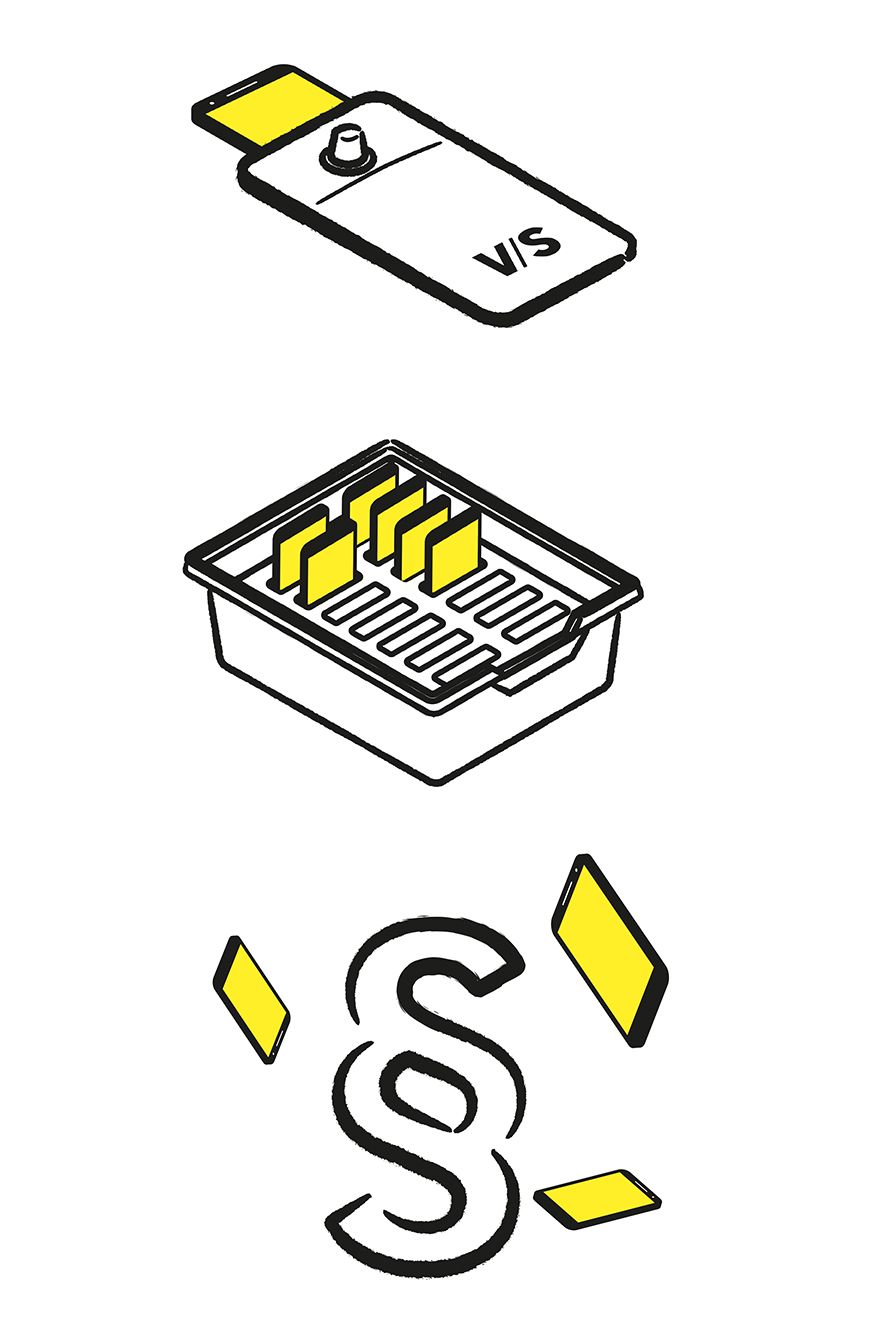
- Lock-it – the decentralised solution
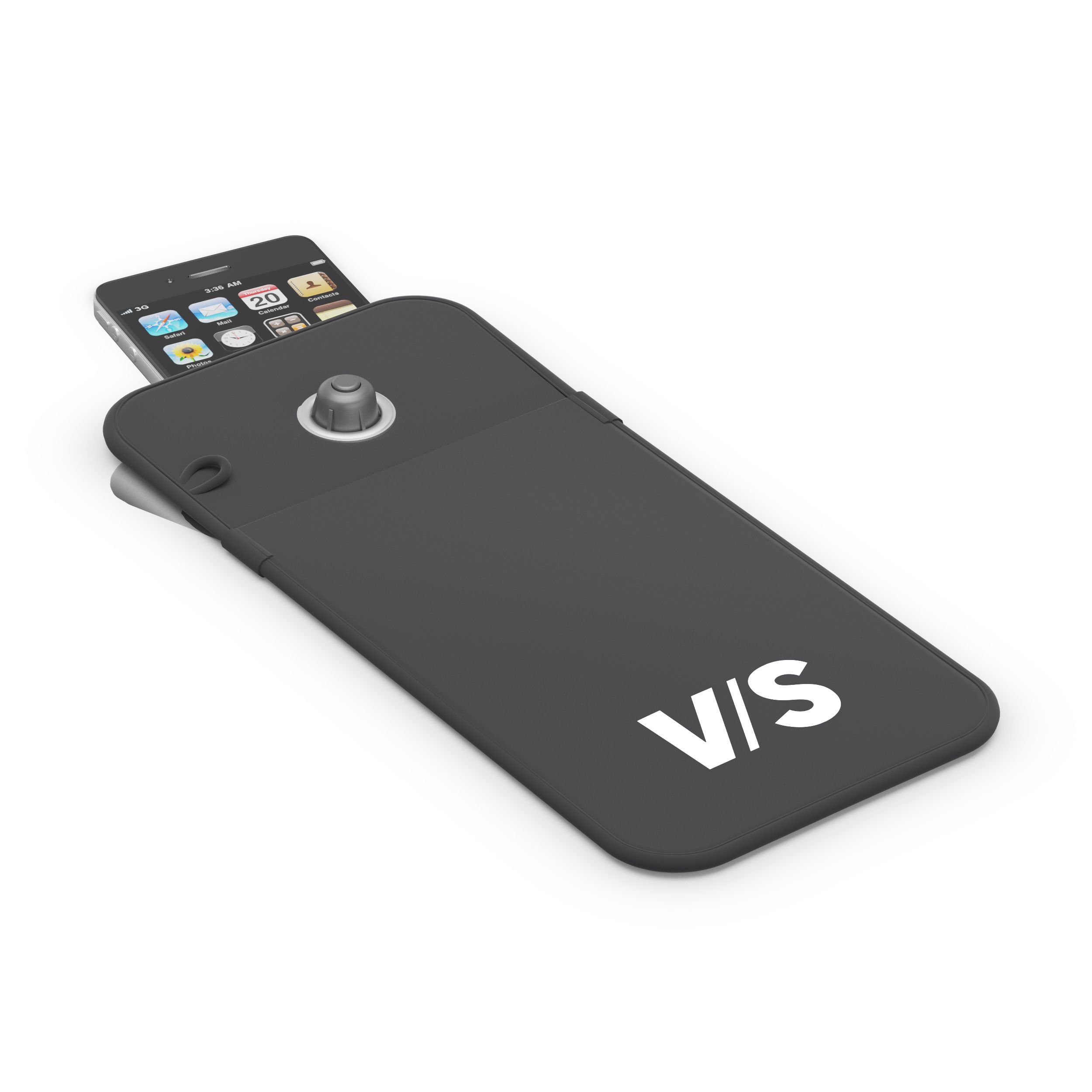
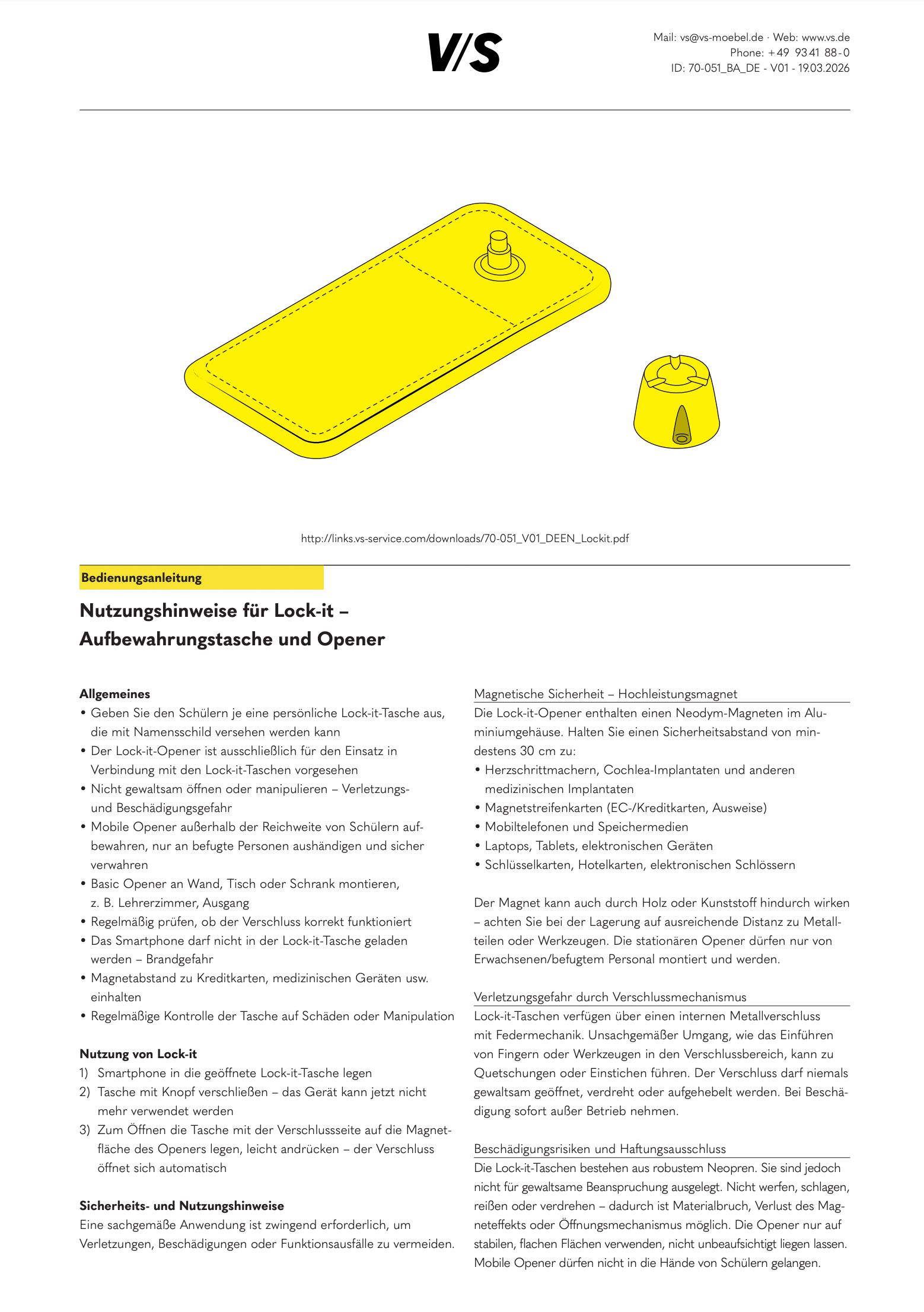
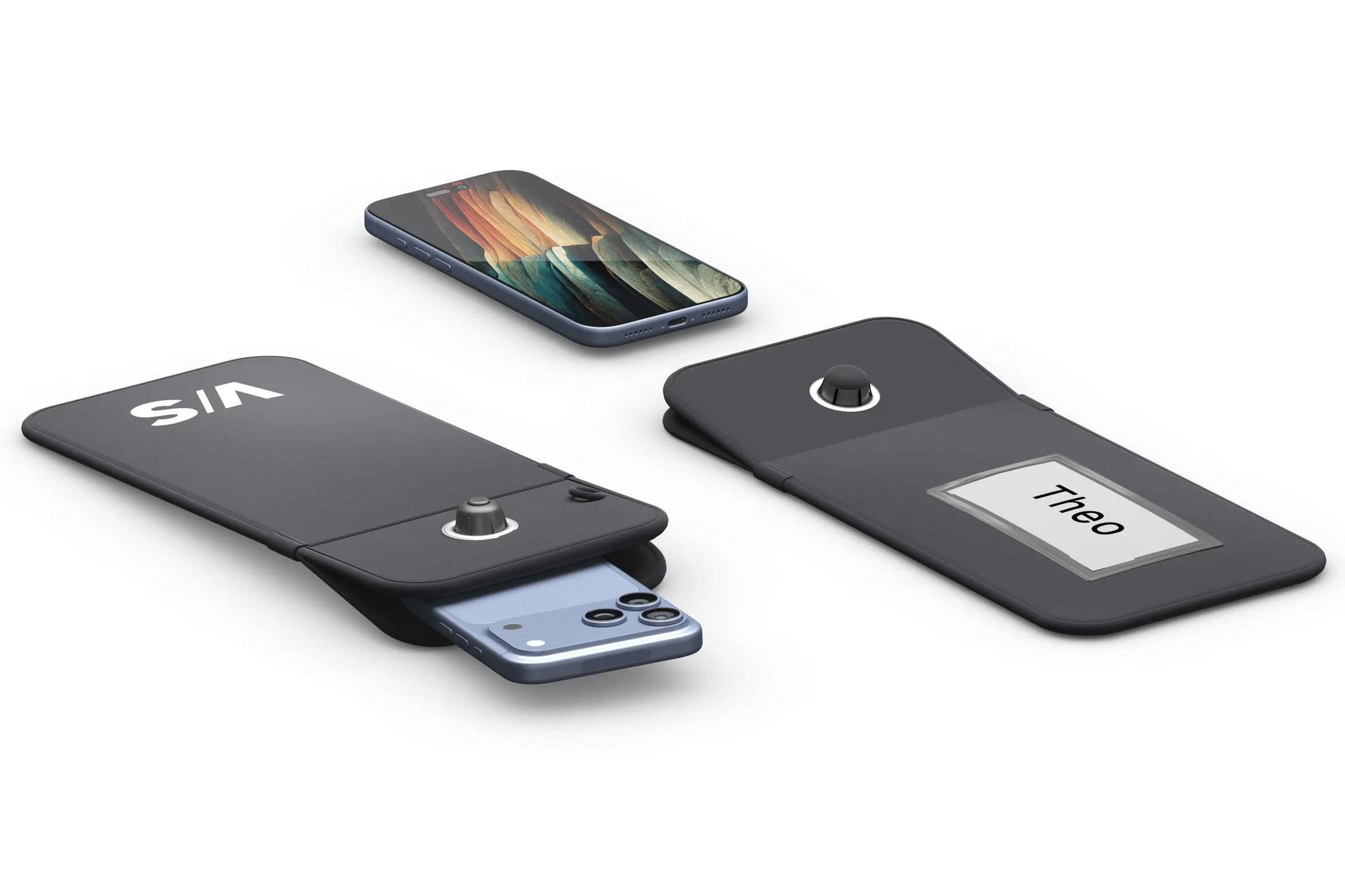
Each child has their own secure smartphone case that shields Bluetooth and mobile phone signals and can only be unlocked with a special opener.
The advantages: The smartphone remains with the pupil and moves with them from room to room. Teachers are not responsible for any damage. No time is lost collecting and redistributing the devices. As the smartphones are not ready to receive signals, there are no disruptive and distracting beeps. - Store-it – the centralised solution
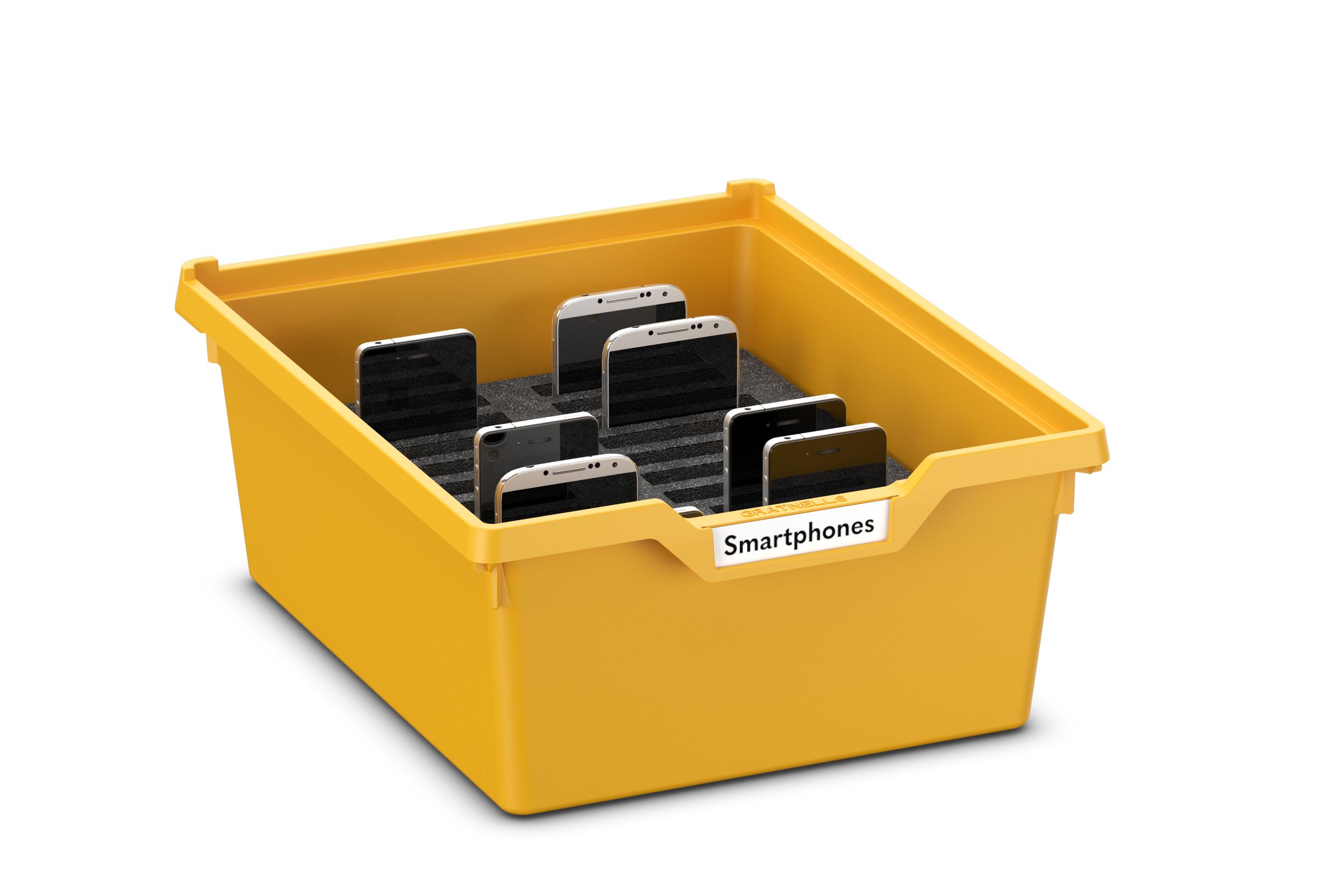
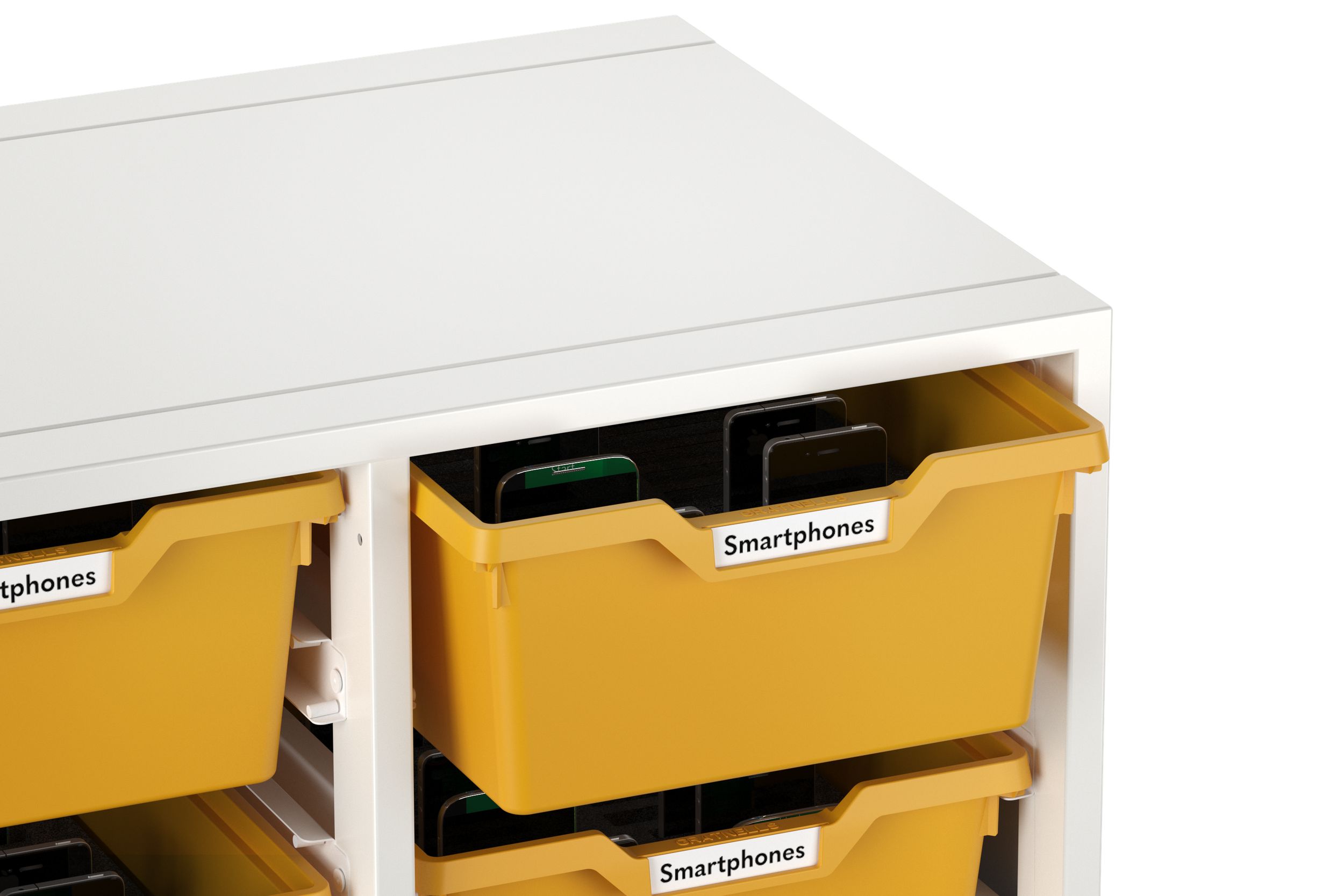
Smartphones are collected at the start of the school day or lesson. All devices are stored together – in a Gratnells box, which we developed ourselves.
The advantages: low costs, smartphones are stored safely. - Guard-it – the independent solution
Pupils leave their private smartphones at home or, depending on school rules, store them in their bags in flight mode before entering the school grounds or at the beginning of lessons.
The advantages: no costs, promotes personal responsibility, builds trust.
The Lock-it concept
The smartphone case is distributed in the education sector through an exclusive partnership between VS and Klipto/LOCKSTA.
Instructions for use for Lock-it
A simple ban is not the solution. In order to develop media literacy, children and young people need educational support and educational opportunities for smartphone-free time.
The Store-it concept
Download our LOCK-IT brochure here

If you would like to learn more about our smartphone solutions, please write to us. Or make an appointment directly to get to know Lock-it and Store-it.
You may also be interested in

Do you know someone else who may be interested?
Just share this page.